


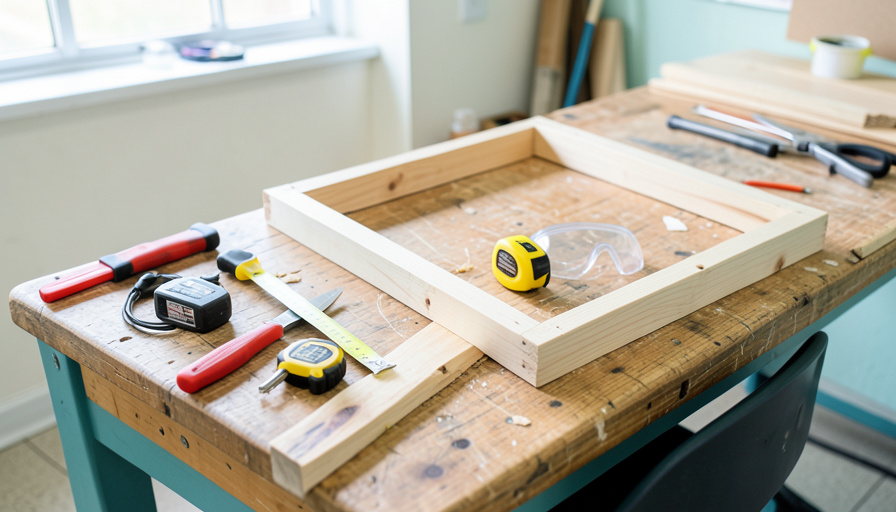
For a long time, “shop class” was a high-school idea, if it existed at all. Now hands-on trades instruction is reaching students years earlier, often led by people who spent careers on job sites, and it is drawing real national attention and money.
The image is increasingly common: a former contractor or tradesperson standing in a middle-school classroom, teaching twelve-year-olds to measure, cut, and build. It is part of a broader push to introduce skilled trades before students lock in their paths, and 2026 has brought new funding and programs behind it. Here is what is actually happening, why it is happening now, and what it means for families weighing their kids’ futures.
The Short Version
Skilled-trades education is moving into middle schools through new programs, grants, and initiatives, frequently taught by instructors who came from the trades themselves. The drivers are a persistent shortage of skilled workers, an aging trades workforce, and evidence that career interests form early, so exposure at twelve or thirteen matters. National funders and industry groups are backing the shift with school grants and initiatives. For students, the appeal is early hands-on experience and a view of well-paid careers that do not require a four-year degree. This is a genuine, funded trend rather than a one-off local story.
What Is Actually Happening
Across the country, schools are adding hands-on building-trades instruction earlier in the pipeline, and industry groups are funding the equipment to make it possible. Explore The Trades, for example, awarded 2026 skills-lab grants to schools nationwide to build out hands-on spaces, as Contractor Magazine reported. Many of these programs lean on instructors with real trade experience, which is what gives a former contractor teaching middle schoolers its authenticity, and its appeal.
Why It Is Happening Now
Three forces are converging. The skilled-trades workforce is aging and there are not enough new workers entering to replace it, creating a genuine labor gap. At the same time, educators and funders increasingly recognize that career interests take shape earlier than high school, so reaching students in middle school widens the funnel. And there is a growing cultural rethink of the assumption that a four-year degree is the only respectable path, especially as trade careers offer strong pay without the debt.
The Money Behind It
This is more than grassroots enthusiasm; serious funding is arriving. Major philanthropic and industry efforts have launched national initiatives to accelerate students into skilled-trade careers, including work highlighted by Bloomberg Philanthropies. That backing is part of why isolated classroom experiments are turning into a national movement rather than staying local curiosities.
What It Looks Like in the Classroom
The instruction is deliberately concrete. Instead of worksheets, students handle real tools, learn to measure and cut accurately, practice safety, and build tangible projects they can see finished. Here is why that hands-on approach fits the age group:
| Element | Why it works for middle schoolers |
|---|---|
| Real tools and materials | Tangible work holds attention better than abstract lessons |
| Finished projects | Visible results build confidence and pride |
| Instructors from the trades | Credibility and real-world stories students respect |
| Safety and problem-solving | Transferable skills useful in any career path |
Why Middle School Specifically
The choice of age is intentional. By high school, many students have already formed assumptions about what they are “good at” and what paths are open to them. Introducing the trades in middle school, before those assumptions harden, gives more kids an honest look at an option they might otherwise dismiss. It is less about pushing students toward the trades and more about making sure they know the door exists.
What It Means for Families
For parents, the practical takeaway is that a trades class is not a detour from academics; it is exposure to a viable, often well-paid career track, plus hands-on skills that help regardless of where a student lands. If your child’s school offers a program, it is worth encouraging them to try it with an open mind. For more on learning and home skills, browse Visboo’s Education section and our Home Improvement coverage.
Frequently Asked Questions
Why are building trades being taught in middle school now?
Because of a skilled-worker shortage, an aging trades workforce, and evidence that career interests form early. Reaching students in middle school widens the pipeline, and new national funding is making these programs possible at scale.
Who teaches these classes?
Often instructors with real trade experience, such as former contractors, which gives the lessons credibility. Their hands-on background is a big part of why the programs resonate with students.
Is this pushing kids away from college?
Not really. The aim is exposure, not steering. Introducing the trades early ensures students know a well-paid, degree-optional path exists, while still leaving every other option open to them.
What do students actually do in these classes?
They use real tools, learn to measure and cut, practice safety, and build finished projects. The hands-on format suits the age group and teaches transferable problem-solving skills useful in any field.
How can my child get into a program?
Check whether your school or district offers career and technical education or a trades-focused elective, and ask about hands-on options. Many programs are expanding thanks to new grants, so availability is growing.
What This Means
The former contractor at the front of a middle-school classroom is a small scene standing in for a larger correction: an education system remembering that not every good career starts with a lecture hall. Backed by real funding and a real labor need, teaching the trades early is less a nostalgia trip than a practical bet on the next generation of builders. For families, it is simply one more door worth opening.