


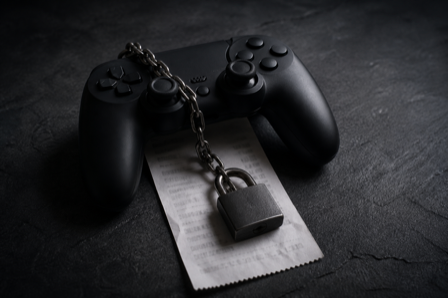
You clicked “Buy.” The receipt says “Purchased.” The fine print says “License.” A PlayStation lawsuit is now forcing a court to decide which of those a shopper was actually supposed to believe.
The question sounds almost silly until you sit with it: when you spend $70 on a digital game, do you own it? A lawsuit against Sony has turned that into a live legal fight, and PlayStation fans have responded by archiving years of the company’s own “you own your games” language to make their point. Here is what the dispute is really about, what the rules say, and how to actually hold on to what you pay for.
The Short Version
When you buy a digital game on most major platforms, the fine print says you are buying a license, not the game itself, and that license can be revoked. A lawsuit filed against Sony in June 2026 challenges the use of “Buy” and “Purchase” buttons for what the terms describe as a revocable license. Sony, in a motion to move the case to arbitration, argued that reasonable consumers understand they do not own digital games. Meanwhile, a consumer-rights group has catalogued dozens of instances of Sony using ownership language. The practical takeaway for you: if permanence matters, physical discs, DRM-free stores, and backups are the reliable options.
What’s Actually Happening
Four California PlayStation buyers filed a lawsuit against Sony in June 2026, targeting the “Buy” and “Confirm Purchase” buttons on the digital store. The plaintiffs allege the wording misleads shoppers into thinking they own their games outright. In August, Sony filed a motion to compel arbitration, arguing, in its own words, that it is “not plausible” that reasonable consumers believed they obtained ownership of a digital game.
In response, PlayStation fans and a consumer-rights group compiled a catalogue documenting dozens of instances where Sony’s own pages used ownership language like “games you own,” complete with archived screenshots, as Tom’s Hardware reported. The case is pending, with an arbitration hearing on the calendar, so nothing is decided.
Buy Button vs. License Fine Print
The heart of the dispute is a contradiction most shoppers never read. Here is where the different messages live.
| What you see | What it says |
|---|---|
| The store button | “Buy” or “Purchase” |
| Your order history | “Purchased” |
| The terms of service | “Licensed to you, not sold,” on a revocable basis |
PlayStation’s terms state plainly that software is licensed, not sold, and that using words like “buy” does not transfer ownership. That is standard across most digital storefronts, not unique to Sony. The lawsuit’s argument is not that the fine print is hidden, but that the big friendly “Buy” button says one thing while the terms say another. A reader-friendly breakdown of that gap is available from FindLaw.
What the Law Says Now
California moved on exactly this. A state law known as AB 2426, effective at the start of 2025, bars sellers from using “buy” or “purchase” for a revocable digital license unless they either get the shopper’s affirmative acknowledgment or show a clear, conspicuous disclosure before checkout that they are buying a license. Violations can carry civil penalties, as law-firm analysis of the statute explains. Whether any particular storefront complies with it is a separate, unsettled question.
When a “Purchase” Disappears
This is not hypothetical, and that is why people care. There are documented cases where content people paid for was later pulled from their libraries. Discovery-owned shows were removed from PlayStation libraries in a 2023 episode that drew heavy backlash, and when the anime service Funimation shut down in 2024, digital copies did not simply carry over. A licensed “purchase” can, in practice, be revoked when rights or services change, as coverage of the Discovery removals documented. To be precise, this reflects a contractual right platforms retain, not a prediction that your specific games will vanish.
How to Actually Keep What You Pay For
If ownership matters to you, a few options give you more control than a digital license:
- Buy physical discs where they exist. A disc you can resell, lend, or shelf is the closest thing to real ownership.
- Use DRM-free stores like GOG, where a downloaded installer keeps working without a live account check, so you can back it up yourself.
- Keep your own backups of DRM-free purchases, offline, so a store closure does not strand you.
- Read the disclosure at checkout, especially in California, where the law now requires stores to tell you plainly when you are buying a license.

For more on gaming and consumer tech, browse Visboo’s Technology and Entertainment sections.
Frequently Asked Questions
Do you own digital games you buy on PlayStation?
According to the terms of service, no: the software is licensed to you, not sold, and the license can be revoked. That is standard across most digital storefronts. A pending lawsuit challenges whether the “Buy” button misleads shoppers about that, but the terms themselves describe a license.
What is the PlayStation ownership lawsuit about?
Four California buyers sued Sony in June 2026, alleging the “Buy” and “Purchase” wording misleads customers into thinking they own their digital games. Sony argued in a motion to compel arbitration that reasonable consumers understand they do not own the games. The case is unresolved.
Can a company really take back a game I paid for?
Under a license, platforms retain the contractual right to revoke access, and there are documented cases of paid content being removed when rights or services changed, such as certain Discovery content in 2023 and Funimation’s 2024 shutdown. It does not happen to most titles, but the possibility is built into the terms.
What is California’s AB 2426?
It is a 2025 California law that restricts using “buy” or “purchase” for revocable digital licenses unless the seller gets affirmative acknowledgment or clearly discloses, before checkout, that the customer is buying a license. It applies to digital goods sold to California consumers.
How can I actually own my games?
Physical discs and DRM-free stores like GOG give you the most control, since you can back up DRM-free purchases and are not dependent on a store staying open or a license staying valid. Reading the checkout disclosure also helps you know what you are actually buying.
What This Means
The gap between the word “Buy” and the word “License” has existed for years, quietly, in terms nobody reads. What changed is that a court is now being asked to say which one a shopper was entitled to trust. However the case lands, the practical lesson for you does not depend on the verdict: if you want to truly own a game, the digital “Buy” button is not the surest way to do it.