


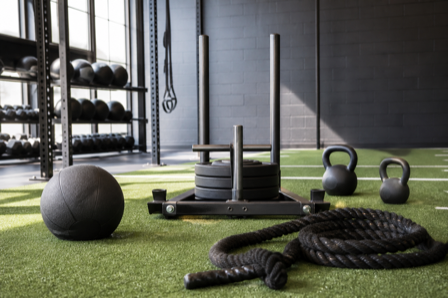
Your feed is full of them: sled pushes, loaded carries, medicine-ball slams, someone strong and sweaty moving like an athlete. It is not random. Functional strength paired with endurance has become one of 2026’s defining fitness shifts, and it reflects a smarter way to think about being fit.
The trend blends two things gym culture once treated as rivals, strength and conditioning, into programs built around real-world movement. Functional fitness has climbed the ranks of the most popular training styles, and the clips are the visible tip of a genuine change in how trainers program. Here is what it actually is, the drills behind it, and how to try it without hurting yourself.
The Short Version
Functional strength-endurance training blends strength, power, mobility, and conditioning into workouts built around compound, multi-directional movements that mimic real-life demands. It has surged up the fitness-trend rankings in 2026, often under the banner of “hybrid” or “concurrent” training, the idea that you can build strength and cardiovascular fitness together when programmed well. Signature drills include sled pushes, loaded carries, medicine-ball throws, and lateral movements. Done sensibly, it improves everyday capability and athleticism while supporting mobility and injury resilience. As with any new program, it is worth easing in and, if unsure, consulting a professional.
What Functional Strength-Endurance Actually Is
At its core, it is training for capability rather than appearance alone. Functional fitness combines strength, power, mobility, and endurance movements to improve performance in real-world activities, and it has become one of the fastest-growing training styles, appearing among the top fitness trends year after year, as tracked by industry bodies like NASM’s trend reporting. The endurance element is what is new in the current wave: beyond lifting heavy, it means staying conditioned enough to do it repeatedly and move well.
Why Blend Strength and Endurance?
For years, “concurrent training” was thought to be self-defeating, that endurance work would blunt strength gains. Newer thinking, reflected in functional fitness guidance, holds that you can build both strength and cardiovascular fitness when the programming is intelligent. The payoff is an athlete-like fitness: strong enough for hard efforts, conditioned enough to sustain them, and mobile enough to avoid the compensations that cause injury.
The Signature Drills
The movements that define the style are deliberately practical and multi-planar:
| Drill | What it builds |
|---|---|
| Sled pushes and drags | Leg strength plus conditioning, low impact |
| Loaded carries | Grip, core, and full-body stability |
| Medicine-ball throws and slams | Power and rotational strength |
| Lateral and change-of-direction drills | Agility and real-world movement |
These compound, multi-directional moves mimic how bodies actually work outside the gym, which is the whole point.
Why It Suits Real Life
The appeal beyond the clips is that this training transfers. Squats, lunges, carries, and crawls improve balance, coordination, and movement efficiency in ways that help with everyday tasks and recreational sport, well beyond gym numbers. It is fitness that pays off when you lift a suitcase, chase a kid, or play a weekend game, which is exactly why the style keeps returning to the top of trend lists rather than fading like fads.
How to Start Safely
The trend is beginner-friendly if approached sensibly. Start with movement quality before load, add weight and intensity gradually, and prioritize mobility and warm-ups to prep joints, an emphasis trainers increasingly build in to reduce injury risk. Balance hard conditioning days with recovery, and do not chase the most extreme clips you see online, which are often advanced athletes. If you have any health conditions or are new to training, checking with a professional first is wise.
This article is general fitness information, not medical or personalized training advice. Consult a qualified professional before beginning a new exercise program, especially if you have health concerns.
Frequently Asked Questions
What is functional strength-endurance training?
It blends strength, power, mobility, and endurance into workouts built around compound, multi-directional movements that mimic real-life demands. The current wave emphasizes being both strong and well-conditioned, sometimes called hybrid or concurrent training.
Can you really build strength and endurance at once?
Newer thinking says yes, with intelligent programming. The old worry that endurance work blunts strength gains has softened, and trainers now design programs to develop both capacities together for an athlete-like fitness.
What are the main drills?
Sled pushes and drags, loaded carries, medicine-ball throws and slams, and lateral or change-of-direction drills. These compound, multi-planar movements build strength, power, conditioning, and agility in a practical way.
Is it good for everyday life?
Yes. The movements transfer to real-world tasks and recreational sport, improving balance, coordination, and efficiency. That practicality is why functional fitness consistently ranks among the top training styles rather than fading as a fad.
How should a beginner start?
Prioritize movement quality before adding load, progress gradually, warm up and work on mobility, and balance hard days with recovery. Avoid copying extreme online clips, and consult a professional first if you are new or have health concerns.
What This Means
The sled-push clips are entertaining, but the trend behind them is substantive: a move toward training that makes you genuinely capable, strong, conditioned, and mobile, rather than optimized for a single metric. That is a healthier goal than most fitness fads offer, which is likely why functional training keeps enduring. Start with good movement, build gradually, and let the athletic fitness follow. For more, browse Visboo’s Health section and our Lifestyle coverage.