


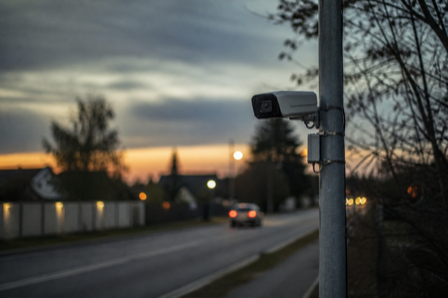
A city voted to fire its surveillance-camera vendor, took the cameras down, and moved on. Then, over a holiday weekend, residents noticed the cameras going back up. The story of how that happened says a lot about who is really in control when a town cancels a tech contract.
Grass Valley, a small city in Northern California, spent the late summer of 2026 unwinding its relationship with Flock Safety, the company behind automated license-plate-reader cameras used by police departments. The city canceled the contract and removed the hardware. Weeks later, some of those cameras reappeared on public poles, put back by a crew working for Flock, and the police had to take them down a second time. Here is the timeline, the company’s explanation, and why it matters beyond one town.
Short Answer
Grass Valley police announced in August 2026 that they would stop using Flock’s cameras over data-privacy concerns, and the city removed all of them. Over the following Labor Day weekend, a third-party crew contracted by Flock reinstalled some cameras. The city did not authorize that. Flock says it was an inadvertent result of an automated maintenance system generating replacement work orders before the cancellation fully processed, and the company says it will cancel those orders. Police disconnected the reinstalled cameras and are working to confirm Flock’s access is fully cut off.
What Happened in Grass Valley
The sequence is easier to follow as a timeline.
| Date | What happened |
|---|---|
| Aug 11, 2026 | Grass Valley police announce they will stop using Flock license-plate cameras, citing data collection, retention, and sharing concerns |
| Aug 12, 2026 | The city begins physically removing all Flock cameras |
| ~Labor Day weekend | A crew contracted by Flock reinstalls some cameras on public poles |
| ~Sept 8-9, 2026 | Police disconnect the reinstalled cameras and monitor for more returns |
The chief’s stated reason for canceling, according to CBS Sacramento’s coverage, centered on how the license-plate data was being queried and shared, including a claim that a large volume of searches against the city’s data came from outside agencies. That figure is the department’s characterization, made publicly by the chief, rather than an independently proven number.

How Cameras “Reappeared” After Removal
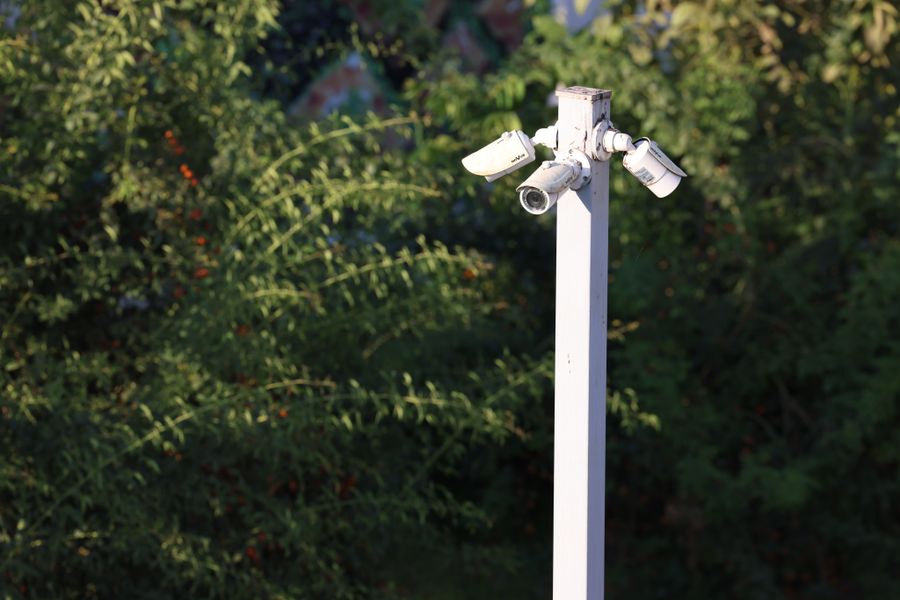
To be precise about the word “reappeared”: this was hardware physically re-mounted on poles, not a data breach. According to Flock’s explanation, when the cameras were taken offline before the cancellation process was fully complete, the company’s automated maintenance system logged them as equipment failures and generated replacement work orders. A third-party crew, reportedly unaware the contract had been terminated, then carried those orders out.
Flock has framed the episode as inadvertent rather than defiance, and says it will cancel the outstanding work orders and expedite the termination so no further maintenance occurs, as local reporting noted. Whether you find the automated-glitch explanation reassuring or unsettling, the intent is disputed, and the city’s position is simply that it did not authorize the work.
What the City Is Doing Now
Rather than a formal, named audit, the city’s response has been about verification. Grass Valley sought and received written confirmation from Flock that the contract has ceased, and it is working to ensure the reinstalled cameras are disconnected and that data sharing and pending work orders are shut off, per the local Union newspaper. Police also committed to a review of the program. In short, the city is now in the position of double-checking that a vendor it fired has actually stood down.
The Bigger Picture on Flock
Grass Valley is not an isolated case. Flock has grown into one of the largest surveillance-camera networks in the country, and through 2026 a wave of cities and agencies moved to cancel or pause their contracts amid privacy concerns and reporting about how license-plate data can be accessed across jurisdictions. That backdrop is why a small city’s camera dispute drew national attention. For more on connected-device and surveillance tech, browse Visboo’s Technology section.
The Question It Really Raises
Strip away the specifics and Grass Valley poses an uncomfortable question about the whole model. When a town fires a surveillance vendor, who actually confirms that the vendor’s crews, systems, and data access all stand down? The cameras coming back was not the result of a dramatic act of defiance; by Flock’s account it was routine automation running ahead of the paperwork. That is arguably the more unsettling version, because it means the off switch is not always as simple as a council vote. For more local-government coverage, see Visboo’s News section.
Frequently Asked Questions
What happened with Flock cameras in Grass Valley?
Grass Valley police announced in August 2026 they would stop using Flock license-plate cameras, and the city removed them. Over the following holiday weekend, a Flock-contracted crew reinstalled some without the city’s authorization, and police disconnected them again.
Did Flock put the cameras back on purpose?
Flock says no. The company attributes the reinstallation to an automated maintenance system that generated replacement work orders before the cancellation fully processed, carried out by a contractor unaware the contract had ended. The city says it did not authorize the work; the intent is disputed.
Was there a data breach?
No breach has been reported. The word “reappeared” refers to physical cameras being re-mounted on poles, not to leaked data. The city’s focus has been on confirming the hardware is disconnected and data sharing is shut off.
Why did Grass Valley cancel Flock?
Police cited concerns about how license-plate data was collected, retained, and shared, including a claim by the chief that many searches against the city’s data came from outside agencies. That characterization came from the department rather than an independent audit.
Is this happening in other cities?
Yes. Through 2026, a number of cities and agencies moved to cancel or pause Flock contracts over privacy concerns and questions about cross-jurisdiction data access, which is part of why the Grass Valley episode drew wider attention.
What This Means
The headline is that a city canceled a surveillance contract and the cameras came back anyway. The deeper point is quieter: turning off a modern vendor system is not one clean action but a chain of confirmations, and a gap anywhere in it can undo the decision. Grass Valley is now doing the unglamorous work of verifying the off switch actually stuck, which may be the real lesson for any town that signs up for services like these in the first place.