


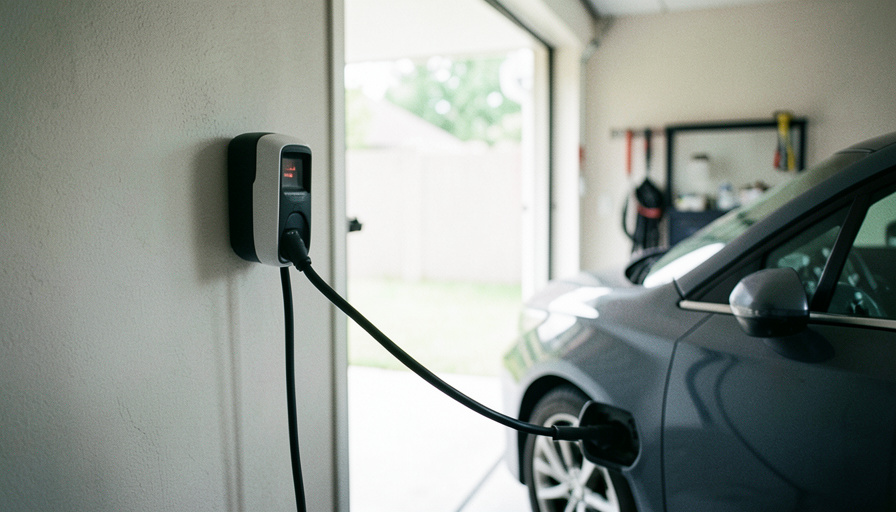
Installing a Level 2 home charger almost always means an electrical permit and a final inspection, and 2026 code changes made the professional-install part stricter.
You bought the EV, the Level 2 charger showed up in a box, and now a practical question is in the way: does the city actually need to sign off on this, or can your electrician just wire it up on a Saturday? It matters more than most first-time owners expect. A home charger adds a new high-power circuit that runs for hours at a time, and that is exactly the kind of work permits exist to catch.
In Brief
For a hardwired or 240-volt Level 2 charger, yes, you almost certainly need an electrical permit and an inspection. Adding the dedicated 240V circuit is regulated electrical work under the National Electrical Code, which nearly every US jurisdiction adopts, so the permit and final inspection apply in most cities. The main exception is plugging a portable charger into a 240V outlet that already exists and was already permitted. As of the 2026 code, hardwired chargers also have to be installed by a qualified person, which most areas read as a licensed electrician.
Table of Contents
So do you need a permit? Almost always, yes
A Level 2 charger runs on a 240-volt dedicated branch circuit, and installing a new circuit like that is regulated electrical work under the National Electrical Code. Because nearly every US city and county adopts some version of that code, a permit and a final inspection are required in most places. The US Department of Energy’s guidance on home charging treats permitting and code-compliant wiring as a normal part of the job, not an optional add-on.
The permit itself is usually the cheap part, often in the range of $100 to $350 depending on the city, and a licensed electrician typically pulls it for you as part of the quote. The inspection at the end is the point of the whole thing: an inspector confirms the wire gauge, breaker size, and connections are safe for a load that can pull power all night.
When you might not need one
There is one common case where a separate permit does not apply to the charger itself. If you already have a properly installed, permitted 240V outlet in the garage, such as an old dryer or welder outlet, and you plug in a portable Level 2 charger, that is using an existing circuit rather than building a new one. No new electrical work, no new permit.
The catch is that most homes do not have a spare 240V outlet where the car parks. Installing that outlet is itself new electrical work, so the permit requirement simply shifts to the outlet install. Either way, the moment an electrician runs new wire from your panel, you are in permit territory.
Why pulling the permit is worth it, even if no one checks

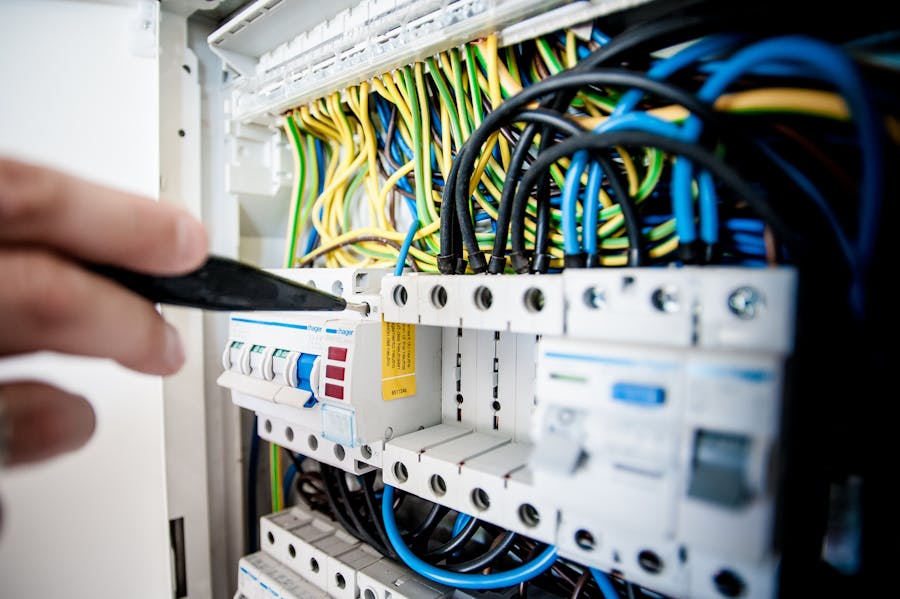
Plenty of people skip the permit, and the work often passes unnoticed for years. The problem shows up at the worst possible moments. A home charger can draw 25% to 50% of your entire panel’s capacity, continuously, so a marginal install that would be fine for a toaster can overheat here. If unpermitted electrical work is ever linked to a fire, your insurer has a clean reason to reduce or deny the claim.
There are two more practical reasons. Unpermitted work can surface during a home sale and stall closing until it is corrected and inspected. And many utility rebates and the federal charger tax credit require a permitted, professionally installed unit, so skipping the paperwork can cost you the rebate that made the charger affordable. My honest take: the permit is the cheapest insurance you will buy on this project, so pull it.
What the 2026 code changed
The 2026 edition of the National Electrical Code tightened the rules around home charging, and two changes matter most to homeowners. Hardwired charging equipment now has to be installed by a qualified person, language that most jurisdictions apply as a licensed electrician rather than a handy owner. EV circuits also require ground-fault protection, and the circuit has to be sized to 125% of the charger’s rating, so a 40-amp charger needs a 50-amp breaker and wiring to match.
Adoption is not instant. The national effective date is in 2026, but each state adopts the new code on its own timeline, so your city may still be on an older edition for a while. That is one more reason to let a licensed local electrician handle it: they track which code your inspector is actually enforcing this year.
Can your HOA say no?
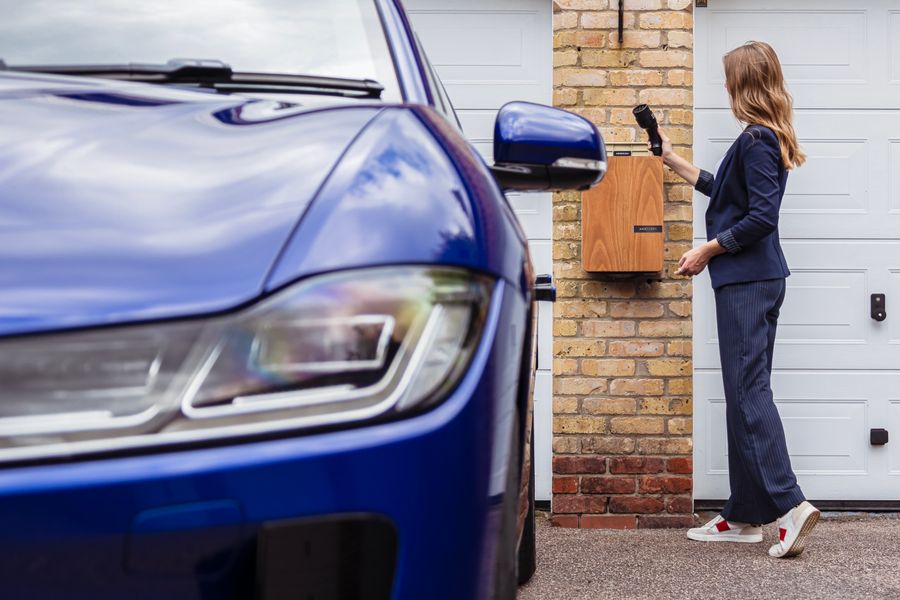
If you own your home outright with no association, this is a non-issue. For condos, townhomes, and HOA neighborhoods, the answer depends on your state. Fifteen states plus Washington, D.C. now have “right to charge” laws, and Maine added one recently. These laws stop an association from flatly banning a charger in your own deeded or exclusive-use parking space, as explained in this overview of right-to-charge laws.
What an HOA can still do is set reasonable rules on placement, the electrician’s licensing, and insurance. One 2026 change worth knowing: California’s SB 770 took effect January 1 and dropped the old requirement that owners name the HOA as an additional insured, a rule that used to stall installs because insurers would not write that coverage. Read your association’s EV policy before you order hardware.
A quick checklist before you install
Run through this before the electrician arrives. It is the difference between a one-visit install and a failed inspection.
- Call your city’s building or permit office. Ask whether the charger needs a permit, which code edition they enforce, and whether the electrician or you pulls it.
- Confirm the electrician is licensed and permits the job. Get the license number and confirm the permit is in the quote, not billed as an extra later.
- Check your HOA or condo rules. Look for an EV charging policy and any approval form before you buy the unit.
- Have your panel details ready. A photo of your breaker panel and its amperage helps the electrician run a load calculation and flag whether you need a panel upgrade.
- Line up your rebate paperwork. Save the permit, the electrician’s invoice, and the charger’s model number for utility or tax-credit claims.
This article is general information, not legal advice. Permit rules, code editions, and right-to-charge laws vary by city, state, and association, so confirm the requirements with your local building department and a licensed electrician before you install.
What To Know
- A hardwired or new-circuit Level 2 charger needs an electrical permit and inspection in nearly every US city.
- Plugging a portable charger into an existing, permitted 240V outlet is the main no-permit case.
- As of the 2026 code, a hardwired charger must be installed by a qualified person, usually a licensed electrician.
- Fifteen states plus D.C. have right-to-charge laws that stop an HOA from banning a charger in your own space.
Frequently Asked Questions
How much does an EV charger permit cost?
The permit alone is usually $100 to $350, depending on the city, and the electrician often pulls it as part of the install quote. That is separate from the wiring and labor, which vary widely based on how far the panel is from the parking spot.
Can I install a home EV charger myself without a permit?
In most places you legally cannot skip the permit for new 240V wiring, and the 2026 code expects hardwired chargers to be installed by a qualified person. Beyond the legal issue, unpermitted electrical work can void insurance claims and complicate a home sale.
Does plugging into an existing dryer outlet need a permit?
Using a portable Level 2 charger on an existing, properly permitted 240V outlet generally does not need a new permit, since you are not adding a circuit. If an electrician installs a new outlet for it, that install does need a permit.
Can my HOA stop me from installing an EV charger?
If you live in one of the fifteen states or D.C. with a right-to-charge law, your HOA cannot ban a charger in your deeded or exclusive-use space, though it can set reasonable rules on placement, licensing, and insurance. Check your state’s law and your association’s EV policy.
What happens at the inspection?
An inspector checks that the wire gauge, breaker size, ground-fault protection, and connections meet the code your city enforces. It is usually a short visit, and a licensed electrician’s work typically passes on the first try.
What To Do Next
Start with two phone calls before you buy anything: your city’s permit office and, if you have one, your HOA. Then get a licensed electrician to quote the job with the permit included, so the inspection and rebate paperwork are handled from the start. For related reading, our guide to furnace installation shows how the same permit-and-inspection process works for other home systems, and our tips on caring for your electric vehicle cover what to do once the charger is live.