



A “verification failed” message on a credit application rarely means you were denied. It usually means the system could not match your identity, and that is almost always fixable.
You fill out the application, hit submit, and instead of an approval you get a wall: we could not verify your identity. It feels like a rejection, but it is a different thing entirely. The lender’s automated identity check could not line your details up against its records, so it stopped before it ever judged your creditworthiness. Knowing which trigger tripped it is the difference between a five-minute fix and abandoning the application in frustration.
Bottom Line First
Identity verification fails on credit applications for a short list of reasons: a credit freeze or lock blocking the lender’s pull, a name, date-of-birth, or address mismatch against the credit bureaus, a blurry or expired ID, or invisible fraud flags like a VPN or a brand-new device. Industry estimates put digital identity-check failure around one in five, so you are far from alone. Most fail because of stale or mismatched data, not fraud, and the fix is usually to correct the data and ask for a manual review.
Table of Contents
How often does identity verification actually fail?
More often than the banks would like to admit. Industry analysts estimate that roughly one in five digital identity checks still fails across financial services, and around a third of people abandon an online verification flow before finishing, often after being asked to re-upload a document, according to reporting on why identity checks fail. There is no official, published “credit application failure rate,” so treat any exact percentage with caution. What the data does show clearly is that most failures hit legitimate applicants over data quality, not fraudsters getting caught.
The trigger people miss: a credit freeze or lock
This is the one that catches the most people off guard. If you froze your credit after a breach, or you have a lock through a bureau app, a lender cannot pull your file to verify you or to check your credit. The application dies at the identity step and rarely tells you why. Before you apply for anything, thaw your freeze at all three bureaus, or at least the one the lender uses, using the guidance in the FTC’s explainer on credit freezes and fraud alerts. You can set a temporary lift for a few days and refreeze afterward.
Data mismatches with the credit bureaus

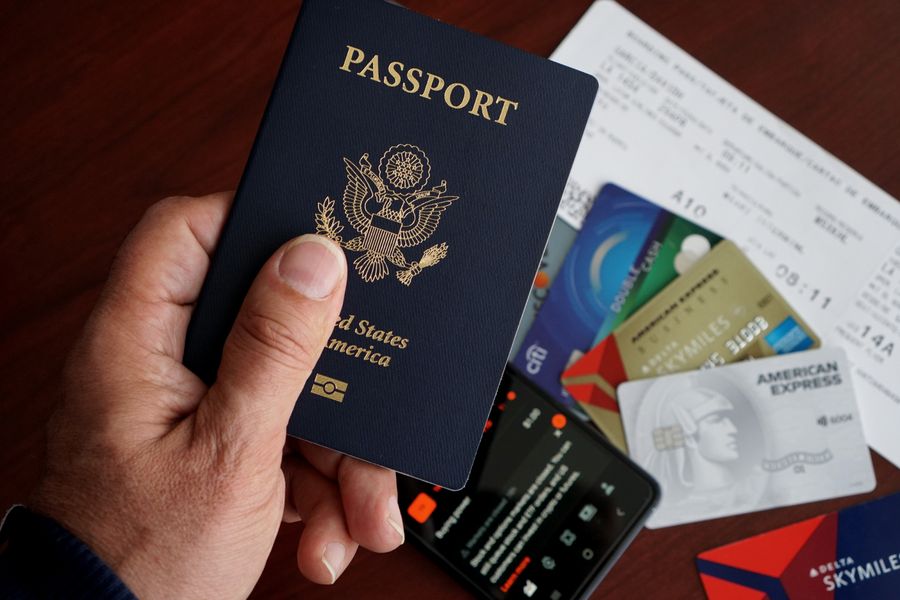
Identity checks compare what you type against what the bureaus and public records hold, so small inconsistencies fail you. A recent move is the classic case: your new address is not in the bureau files yet, so the knowledge-based questions ask about an old one you barely remember, or the address simply does not match. Using a nickname instead of your full legal name, a maiden versus married name, or a transposed digit in your Social Security number or date of birth all produce the same result. The system is not judging you; it just cannot find a clean match.
Document and selfie problems
When an application asks you to photograph your ID and take a selfie, the capture itself becomes a failure point. The common culprits are a blurry or glare-covered ID photo, an expired document, poor lighting on the liveness selfie, or uploading a document type the platform does not accept. These are the easiest to fix because they are entirely on your end. Retake the photos in bright, even light, lay the ID flat with all four corners visible, and use a current, accepted ID rather than an expired one.
The invisible flags: VPN, new device, and SIM changes
Lenders layer fraud signals on top of the identity match, and those can false-fail honest applicants. Applying through a VPN can hide your location and look evasive, a brand-new phone or a device the lender has never seen raises a flag, and a recent SIM swap or phone-number change, which real fraudsters exploit, can put your application into extra scrutiny. None of these mean you did anything wrong, but together they can tip a borderline check into a fail. Turn off the VPN and apply from your usual device and network.
How to fix it and get a manual review

Work through this before you give up or apply again, since repeated attempts can themselves look suspicious.
- Thaw your credit freeze or lock at the relevant bureau, with a temporary lift covering the next few days.
- Enter your exact legal name, current address, and Social Security number as they appear on official records, with no nicknames.
- Retake any ID and selfie photos in good light, flat and in full frame, using a current ID.
- Turn off any VPN and apply from your normal phone or computer and home network.
- If it still fails, contact the lender and ask for a manual or document-based review. Say the automated check could not verify you and offer to provide documents directly.
That last step matters. Many applicants report that a stuck application cleared only after they emailed or called and a human reviewed their documents, so do not assume an automated fail is final.
This article is general information, not financial or legal advice. Identity verification systems and lender requirements vary and change, so follow the specific instructions from your lender and the credit bureaus, and consult a qualified professional for advice on your situation.
What To Know
- A verification failure stops the application before any credit decision; it is not the same as a denial.
- A credit freeze or lock is a top, often-overlooked cause, since it blocks the lender’s pull.
- Most failures come from mismatched or stale data, not fraud, and industry estimates put the failure rate near one in five.
- Correcting your data and requesting a manual review clears the majority of stuck applications.
Frequently Asked Questions
Does a failed identity verification hurt my credit score?
Generally no. If the check fails before the lender pulls your credit, there is often no hard inquiry at all. A failed verification is a stop at the identity gate, separate from the credit decision, so it usually does not affect your score by itself.
Can a credit freeze cause identity verification to fail?
Yes, and it is one of the most common overlooked causes. A freeze or lock blocks the lender from accessing your file, which breaks both the identity check and the credit pull. Temporarily lift the freeze at the bureau the lender uses before you apply.
Why does it ask about addresses I do not recognize?
Knowledge-based verification pulls questions from your credit and public records, sometimes including old or mixed-up addresses. If you recently moved or your file has an error, the questions can be hard to answer. Answering as your records read, not as you remember, sometimes helps, and correcting bureau errors fixes it long term.
Should I just apply again if it fails?
Not immediately. Repeated failed attempts can look like fraud and lock you out further. Fix the likely cause first, such as thawing a freeze or correcting your name and address, then reapply once, or ask the lender for a manual review instead.
How do I request a manual review?
Contact the lender’s support line or secure message center, explain that the automated identity check could not verify you, and offer to submit identification documents directly. Many lenders have a document-review path for exactly this situation, even when the online flow does not mention it.
What To Do Next
If an application just failed verification, start with the freeze and your data: lift any credit freeze, then confirm your legal name, address, and Social Security number match your official records exactly. If those are clean and it still fails, call and ask for a manual review rather than reapplying. For more money guidance, browse Visboo’s Finance section, and our overview of credit card eligibility factors covers what lenders weigh once you are past the identity step.