


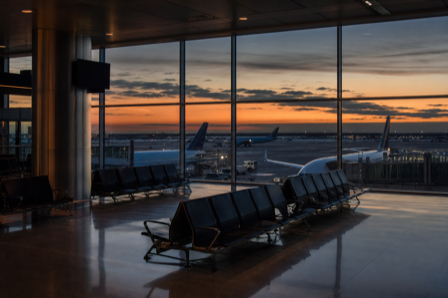
The empty seats are showing up in the data now, well beyond anecdotes. International travel to the United States has fallen in 2026, led by a steep drop in Canadian visitors, and airlines are already redrawing their route maps in response. Whatever the causes, the numbers tell a clear story.
Calls to avoid US travel have spread online, but the more concrete signal is in tourism statistics and airline schedules. Inbound visits are down, capacity is being cut and redirected, and destinations elsewhere are gaining. This piece sticks to what the data and industry moves show, attributing the reported drivers without taking a political position. Here is the picture.
The Short Version
International arrivals to the US declined in 2026, with overseas visitation down year-on-year and Canada the largest single source of the drop, reportedly falling sharply by multiple measures. Airlines responded by cutting hundreds of thousands of Canada-to-US seats and, in some cases, redirecting routes to Mexico and Europe. Analysts attribute the shift to a mix of factors including affordability, safety perceptions, geopolitical tensions, and weather, as reported, and tourism boards are adjusting strategies to win travelers back. The trend represents billions in lost tourism spending and a meaningful reshaping of North American travel patterns.
What the Data Shows
The decline is measurable, not merely a social-media mood. Reporting indicates inbound arrivals to the US fell in 2026, with overseas visitation down year-on-year, making the US an outlier among comparable economies, as AFAR documented. These are reported figures reflecting traveler behavior, and they point to a broad softening rather than a blip.
The Canada Factor
The single biggest driver has been Canada. Coverage describes a sharp fall in Canadian travel to the US by multiple measures, including large drops in cross-border trips and air travel, translating into billions of dollars in lost tourism spending, as detailed by Travel And Tour World. Because Canada is such a major source of US visitors, a shift there moves the national numbers significantly.
Airlines Are Already Reacting
The clearest evidence is in flight schedules, which airlines adjust to real demand. The reported responses have been substantial:
| Industry response | What it signals |
|---|---|
| Hundreds of thousands of Canada-US seats cut | Airlines matching reduced demand |
| Routes redirected to Mexico and Europe | Capacity following travelers elsewhere |
| Some carriers dropping US routes entirely | A significant reallocation, not a tweak |
| Tourism campaigns to win visitors back | Destinations competing for the lost demand |
When airlines move this much capacity, it reflects sustained behavior rather than a passing sentiment.
Why Travelers Are Choosing Elsewhere
Analysts attribute the shift to a combination of factors reported in coverage: affordability and the strength of the dollar, safety and border perceptions, broader geopolitical tensions, and even extreme weather. We are presenting these as the reported drivers rather than endorsing any single explanation or political framing. Meanwhile, travelers from countries like Germany, France, and Spain are still traveling internationally, just increasingly to destinations other than the US.
Who Gains and Who Loses
Every redirected trip is someone else’s gain. Destinations positioned as alternatives, including markets in Mexico and Europe, are absorbing demand that once flowed to the US, while US destinations dependent on international visitors, and the businesses around them, feel the shortfall. That redistribution is why tourism boards on both sides of the equation are actively adjusting their marketing and route strategies for the seasons ahead.
What It Means Going Forward
For the US travel sector, the question is whether the decline is cyclical or a longer reset of its global appeal, and reversing it depends on factors that extend well beyond marketing. For travelers, it means more competition for their business and, in some corridors, changing flight options. For more travel and industry coverage, browse Visboo’s Travel section and our Business coverage.
Frequently Asked Questions
Is international travel to the US really down?
Yes, according to reported figures. Inbound arrivals fell in 2026 with overseas visitation down year-on-year, an unusual decline for the US compared with peer economies. The drop is measurable in tourism data and airline schedules.
Which country accounts for the biggest drop?
Canada. Reporting describes a sharp fall in Canadian travel to the US across cross-border trips and air travel, amounting to billions in lost tourism spending. Because Canada is a major source of US visitors, that shift heavily influences the national totals.
How are airlines responding?
By cutting large numbers of Canada-to-US seats and, in some cases, redirecting or dropping US routes in favor of destinations like Mexico and Europe. These schedule changes reflect airlines matching reduced demand.
Why are travelers avoiding the US?
Coverage attributes it to a mix of factors, including affordability, safety and border perceptions, geopolitical tensions, and weather. These are the reported drivers; the article does not endorse a single explanation or political framing.
Where are those travelers going instead?
Toward alternative destinations absorbing the demand, with markets in Mexico and Europe gaining, and international travelers from several European countries continuing to travel, just increasingly not to the US.
What This Means
Strip away the online rhetoric and the story is a measurable shift in where the world’s travelers are spending their time and money, with the US on the losing side in 2026 and airlines voting with their schedules. Whether it proves temporary or lasting will shape the US travel economy for years. For continued coverage, follow our Travel section.