



Rates are near 7%, the bond market just hit a level it has not seen in 19 years, and every would-be borrower is asking the same anxious question: do I lock this in now, or wait and hope?
The jump in the 30-year Treasury yield has dragged mortgage rates back up near 7%, and the timing could hardly be more stressful for anyone mid-purchase or eyeing a refinance. Lock too early and you might miss a dip. Wait too long and a fresh spike costs you for the life of the loan. There is no formula that removes the uncertainty, but there is a clear way to think about the decision instead of just guessing.
The Short Version
A rate lock freezes your quoted mortgage rate for a set window, usually 30 to 60 days, protecting you if rates rise before closing. With Treasury yields at a 19-year high and the direction genuinely uncertain, locking makes the most sense when you are close to closing and cannot absorb a higher payment. Floating, which means not locking yet, is a bet that rates fall, and right now the pressures point more toward “higher for longer” than a quick drop. The right choice depends on your timeline and how much a rate move would actually change your budget, not on predicting the market.
Why Everyone’s Nervous Right Now
Mortgage rates do not move on their own. They track long-term Treasury yields, and that yield just climbed to about 5.35%, its highest since 2007. Lenders followed, pushing the 30-year fixed to roughly 6.76% to 6.89% in mid-September, a fresh 52-week high per rate trackers.
The unsettling part is the “why” behind the move. It is being driven by structural pressures like the federal deficit and heavy bond supply rather than a passing scare, which we broke down in our explainer on the 30-year yield jump. Those forces do not reverse overnight, which is why “just wait for rates to fall” is a shakier bet than it was a year ago.
What “Locking” Actually Means
A rate lock is a lender’s promise to hold your quoted rate for a defined period while your loan closes, so a mid-process spike does not raise your payment. Locks typically run 30, 45, or 60 days, and longer locks can cost more. Some lenders offer a “float-down” option, which lets you grab a lower rate if the market drops before closing, usually for a fee. The Consumer Financial Protection Bureau has a plain-language rundown of how locks work and what to confirm in writing.
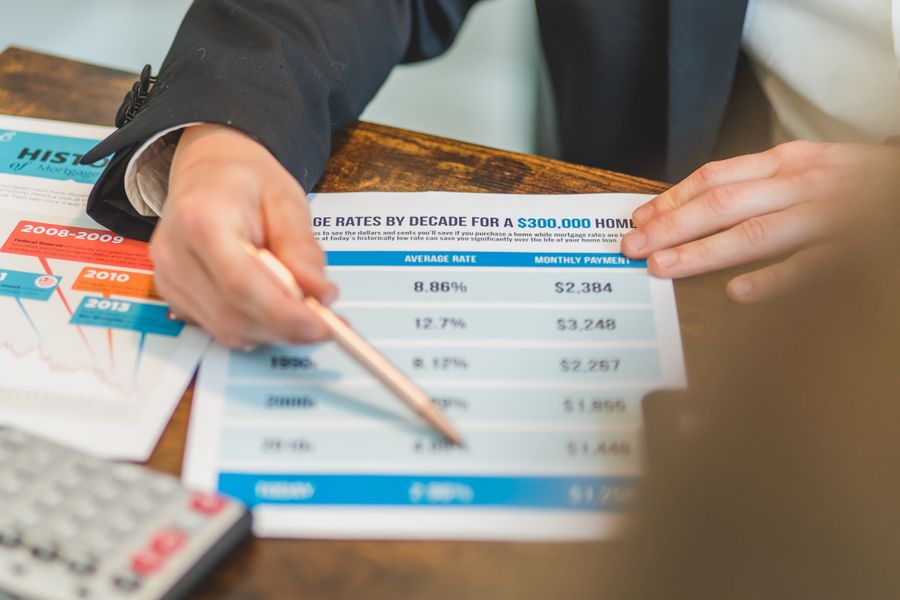

Lock or Float? A Simple Framework
Nobody can tell you the “right” answer, because it hinges on your situation. But the decision gets much easier when you sort it by timeline and tolerance.
- Closing within 30 to 45 days: locking is usually the safer play. You are close enough that a spike would hit you directly, and you are unlikely to gain much by gambling on a dip.
- Closing further out: you have more room, but longer locks cost more, and floating leaves you exposed. Ask your lender what a longer lock costs versus the risk you are carrying.
- A rate rise would break your budget: lock. Certainty is worth more than a possible small saving when the downside is a payment you cannot afford.
- You have real financial cushion and flexibility: floating is defensible, as long as you accept that current pressures lean toward rates staying elevated.
The Fed Meeting Wildcard
Quick reality check on timing. The Federal Reserve meets September 15 and 16, 2026, and as this is written that decision has not happened. Market opinion is genuinely split, with some traders even weighing a hike rather than a cut. That uncertainty is part of why yields jumped ahead of the meeting.
The lesson is not to try to trade around the Fed. It is that the bond market is already pricing in a bumpy path, so counting on an imminent rate drop to rescue a floating strategy is optimistic rather than safe.
Questions to Ask Before You Decide
Before you lock or float, get clear answers from your lender:
- How long is the lock, and what does a longer one cost?
- Is a float-down option available, and what does it cost to use?
- What happens if my closing slips past the lock’s expiration?
- How much would a half-point rate change actually add to my monthly payment?
That last one grounds the whole decision. On a $400,000 loan, half a point is well over $100 a month, every month, for decades, which tells you how much certainty is worth paying for. For more market coverage, see Visboo’s Finance section.
This article is for general information only and is not financial advice. Mortgage decisions depend on your personal finances, and rates change quickly, so confirm current terms in writing and consult a licensed mortgage professional before deciding.
Frequently Asked Questions
Should I lock my mortgage rate now?
If you are within about 30 to 45 days of closing or a higher payment would strain your budget, locking is generally the safer choice given that yields are at a 19-year high and the direction is uncertain. If you have more time and real financial flexibility, floating is defensible, but current pressures lean toward rates staying elevated.
What does a rate lock cost?
Shorter locks of 30 to 45 days are often included, while longer locks and float-down options usually carry a fee. Ask your lender to spell out the cost of each lock length and any float-down option in writing before you commit.
What is a float-down option?
A float-down lets you move to a lower rate if the market drops after you lock, typically for a fee. It offers some protection against locking right before a decline, but it is not free, so weigh the cost against how likely a drop seems.
Will mortgage rates go down soon?
No one knows, and current pressures, including a large federal deficit and heavy bond supply, point more toward rates staying elevated than falling quickly. Betting on an imminent drop is riskier than it was a year ago.
How much does a half-point rate change matter?
A lot over time. On a $400,000 loan, roughly half a percentage point adds well over $100 to the monthly payment, and that difference compounds across the full term of the loan.
What To Do Next
Stop trying to time the bottom, because even the bond market cannot. Instead, sort your decision by how close you are to closing and how much a rate move would actually change your life. If you are near the finish line or a spike would hurt, lock and move on. If you have genuine room and cushion, floating is a considered bet, not a hope. Either way, get the lock terms in writing first.