


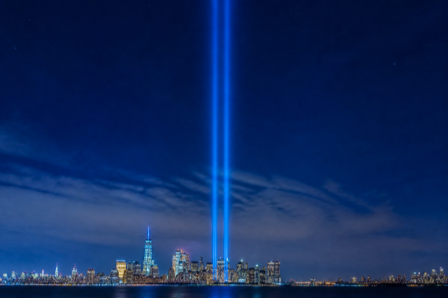
Twenty-five years on, the health story of September 11 is still being written, in medical records, in ongoing monitoring, and now in a large batch of city documents finally made public. The release is about transparency, but it also puts a practical question back in front of survivors: what care and benefits are still available.
New York City has opened a substantial archive of records about its response to the 2001 attacks and their aftermath, resolving a years-long legal battle in the process. For the responders, residents, and workers whose health was affected, the moment is a chance to revisit both the historical record and the programs that still exist to monitor and treat 9/11-related conditions. Here is what was released and what it means going forward.
The Short Version
New York City released more than 170,000 pages of records documenting its response to 9/11 and the aftermath, and settled two lawsuits brought by an advocacy group over records concerning air quality and health. Separately, and importantly for anyone exposed, long-running health efforts continue: the World Trade Center Health Registry tracks the health of tens of thousands of enrollees, and the federal WTC Health Program offers no-cost monitoring and treatment for conditions linked to 9/11 exposure. The records release renews public attention on both the accountability questions and the care still available. This article is informational; official programs are the place to confirm eligibility.
What Was Released
The city made public more than 170,000 pages of records documenting the government’s response to the attacks and their aftermath, and settled two lawsuits brought by the advocacy group 9/11 Health Watch, ending a multi-year legal battle over records related to air quality and health concerns, according to the Mayor’s Office announcement. The air-quality dimension is significant, because questions about what was known, and communicated, about the air around Ground Zero have shadowed the health story for two decades.
Why the Records Matter
Transparency here is not academic. Documents about the response and the air-quality guidance of the time feed directly into how the long-term health impacts are understood, researched, and, in some cases, litigated. For affected communities, an accessible record is part of accountability, a way to examine decisions whose consequences people are still living with. It also supports the researchers and clinicians who continue to study emerging conditions.
The Monitoring That Never Stopped
Alongside the records story sits an effort that has run quietly for years. The World Trade Center Health Registry, recognized as one of the largest and longest-running post-disaster health registries, tracks the health of tens of thousands of enrollees to identify long-term and emerging conditions, as the NYC Health Department noted. That data has shaped what we now know about which illnesses are connected to the exposure.
Care and Benefits Still Available
This is the part worth passing to anyone who was there. The federal World Trade Center Health Program, administered through the CDC’s National Institute for Occupational Safety and Health, provides no-cost monitoring and treatment for physical and mental health conditions linked to 9/11 exposure. Officials continue to remind exposed people that they may still qualify. The recognized conditions span several categories:
| Category | Examples of recognized conditions |
|---|---|
| Respiratory and digestive | Asthma and other respiratory illness, GERD |
| Cancers | Various cancers linked to exposure |
| Mental health | PTSD and depression |
| Emerging conditions | Autoimmune disease, hearing problems, cognitive impairment |
Eligibility and covered conditions are defined by the program itself, which is the authoritative source to check.
Who Should Look Into This
Broadly, the programs are aimed at people exposed to the World Trade Center disaster and its aftermath, which can include responders, recovery and cleanup workers, and people who lived, worked, or attended school in affected areas. Because eligibility rules are specific, anyone who thinks they may qualify should verify directly with the official program rather than assume they are in or out.
This article provides general information, not medical or legal advice. For eligibility, enrollment, and benefits, consult the World Trade Center Health Program and official city and federal resources directly.
Frequently Asked Questions
What did New York City actually release?
The city made public more than 170,000 pages of records documenting its response to the 2001 attacks and the aftermath, and settled two lawsuits brought by an advocacy group over records concerning air quality and health, ending a multi-year legal dispute.
Is medical monitoring for 9/11 exposure still available?
Yes. The federal World Trade Center Health Program offers no-cost monitoring and treatment for conditions linked to 9/11 exposure, and officials continue to remind those who were exposed that they may still qualify. Check the program directly for details.
What health conditions are recognized as 9/11-related?
Recognized conditions include respiratory illnesses such as asthma, GERD, various cancers, and mental health conditions like PTSD and depression, along with emerging conditions such as autoimmune disease, hearing problems, and cognitive impairment. The program defines the full list.
Who is eligible for these programs?
Eligibility generally focuses on people exposed to the disaster and its aftermath, which can include responders, cleanup and recovery workers, and residents, students, or workers in affected areas. Because the rules are specific, verify directly with the official program.
How do the released records connect to health?
Many of the records concern the government’s response and air-quality communications after the attacks, which are central to understanding long-term health effects. Making them public supports research, accountability, and the communities still dealing with those effects.
What This Means
Opening the records does not close the 9/11 health chapter; it deepens it, adding documentation to a story measured in illnesses that are still emerging. The most useful thing to carry away is practical: the monitoring and treatment programs remain open, and eligibility is worth checking for anyone who was there. For more public-health coverage, browse Visboo’s Health section and our News hub.