



The most-used styling tool on the web just changed hands, and the reason says a lot about how AI is reshaping the business of open source.
Consider the spot Tailwind Labs was in nine months before the sale. Its main product was installed more than 110 million times a week. It quietly styled the interfaces behind ChatGPT, Reddit, X, and Cloudflare. And the company that made it had just cut three of its four engineers because the money had dried up.
On September 9, 2026, that story got its ending. Shopify bought Tailwind Labs, the small team behind Tailwind CSS. Founder Adam Wathan announced it in five words on X: “Tailwind is joining Shopify.” The post cleared a million views inside a day, and developers spent the rest of the week arguing about what it actually meant.
In Brief
Shopify has acquired Tailwind Labs, the maker of Tailwind CSS, the free framework a large share of the web now uses to style pages. Terms were not disclosed. Tailwind CSS stays free and open source, the same team keeps maintaining it, and existing paid customers keep their access. The deal is worth understanding because it shows what happens to a loved open-source project when AI quietly eats the business model that paid for it.
Table of Contents
What Shopify Actually Bought
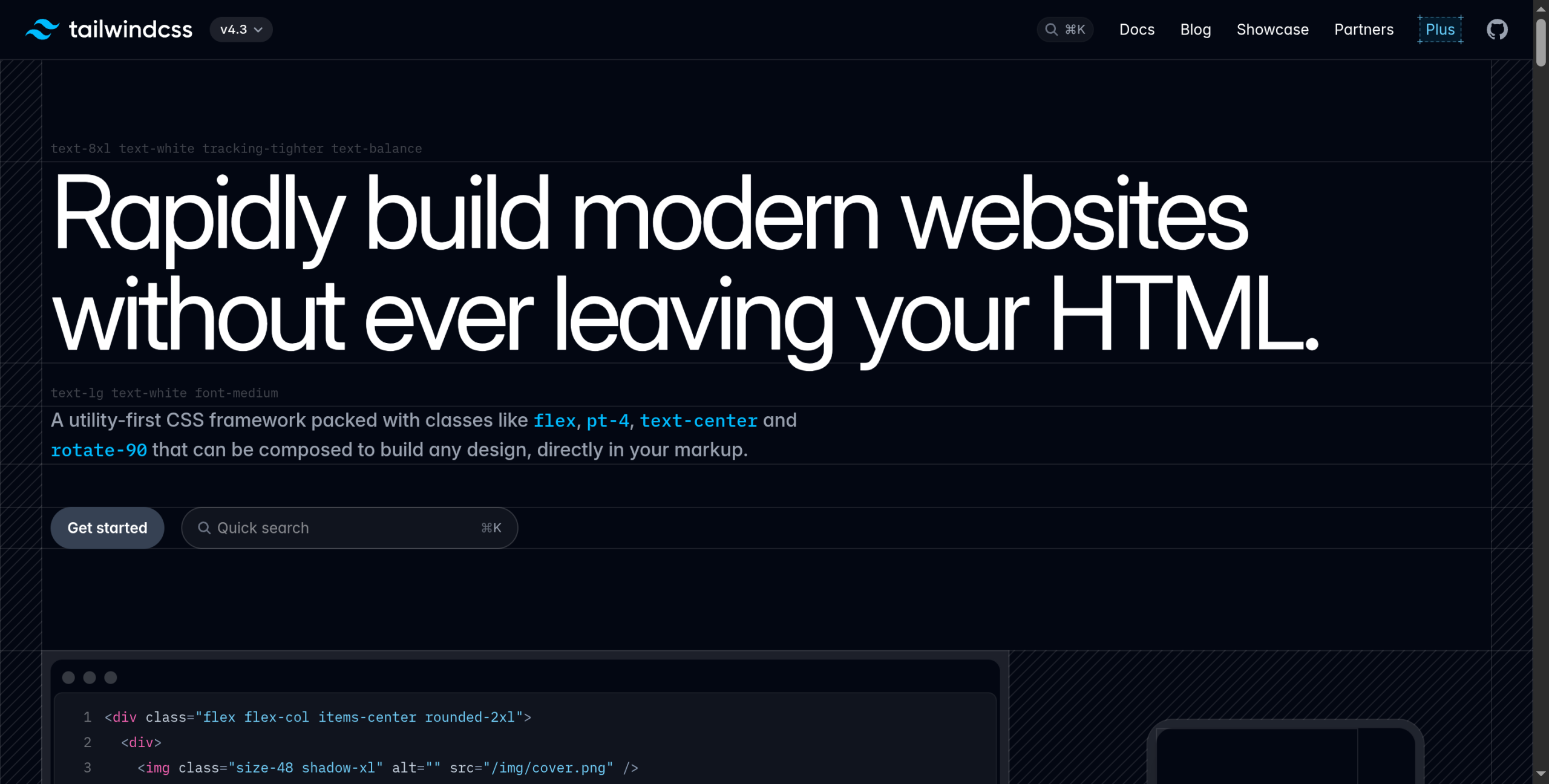
One clarification first, because the name trips people up: this is Tailwind CSS, the web development framework, not the social-media scheduling app that shares the Tailwind name. Tailwind Labs builds tools for designing website interfaces, and its flagship is the open-source framework developers reach for when they want to style a page without maintaining a separate pile of stylesheets.
The scale is the part that surprises people outside of code. Tailwind CSS pulls more than 110 million installs a week, and the 2025 State of CSS survey ranked it the most-used framework in its category, picked by 51% of respondents, a point covered in BetaKit’s report on the deal. When Shopify President Harley Finkelstein welcomed the team, he skipped the modest framing: “110 million installs a week and it powers half the internet.”

Why Tailwind Was Up for Sale
The short version: AI made Tailwind more popular and less profitable at the same time.
Here is how that squeeze worked. Tailwind Labs earned money the way plenty of open-source companies do, by selling premium extras like component libraries and templates to developers who discovered them through the documentation. People read the docs, ran into the good paid stuff, and a slice of them bought it. Then AI coding assistants learned Tailwind so thoroughly that they now write it for you. Developers stopped opening the docs, because a chatbot already had the answer.
The result was rough. In January 2026, Tailwind Labs laid off 75% of its engineering team, three of four engineers, after revenue fell roughly 80%. Wathan said documentation traffic had dropped about 40% since 2023, and that holiday forecasts showed the company would miss payroll within six months if nothing changed, as devclass reported at the time. Actually, one detail from that January news matters more than the headcount: he announced the cuts in the same breath as declining a community request to make Tailwind’s docs easier for AI models to read. The tool that was killing his revenue was the same one everyone wanted him to feed.
Is Tailwind CSS Still Free? What Changes Now
Tailwind CSS stays free and open source under the MIT license. That was the line most developers cared about, and both companies confirmed it plainly. The framework keeps being maintained by the same people, now with Shopify’s resources behind them.
The paid side shifts a little. Anyone who already bought Tailwind Plus or uses ui.sh keeps their access, but new signups are closed, a detail PYMNTS noted in its coverage of Shopify’s storefront plans. So if buying the premium component library was on your list, that door shut with the acquisition. Wathan described the move as giving Tailwind “a stable long-term home where it will be actively maintained for the millions of people who depend on it.”
Why an E-Commerce Company Bought a CSS Framework
On the surface, a store-building company buying a styling tool looks strange. Look at what Shopify actually sells, though, and the logic tightens. Shopify makes money when merchants launch strong storefronts, and strong storefronts get built by developers. Tailwind is what a huge chunk of those developers already use every day.
Shopify has been steering merchants toward more custom storefronts and beefier developer tooling, and the Tailwind team drops neatly into that push. The company was also an early adopter; Finkelstein pointed out that Shopify bet on the framework at scale years ago. Buying the team keeps a tool Shopify already leans on alive, and pulls its creators inside a platform that touches millions of stores. For readers tracking how big platforms absorb the tools people build with, Visboo’s Business section follows more of these deals.
What Developers Are Watching
Reaction split fast. A lot of developers were simply relieved. A project they touch daily looked financially doomed a few months ago, and now it has a deep-pocketed owner and a written promise to stay open source.
Others doubted the fit. “I don’t really understand the strategic value of acquiring Tailwind for Shopify,” one developer wrote, and that skepticism echoed across forums where people called the deal closer to a rescue than a strategy. On the busiest r/webdev thread about the news, the top comments circled a familiar fear: a big company buys a small, well-loved tool, and the tool slowly loses the thing that made it worth loving.
Honestly, the sharpest take was not about Shopify at all. It was about the trap Tailwind fell into. One heavily upvoted comment put it cleanly: AI may have made Tailwind more widely used while making the business around it impossible to sustain, because agents learn from the docs without ever visiting them. That split between usage and revenue is now every open-source maintainer’s problem, and it is why some read this deal as a preview rather than a one-off, a worry The Register raised months before the sale.
What To Know If You Build With Tailwind
For day-to-day work, nothing breaks today. A few things are still worth keeping on your radar:
- Your existing projects are safe. Tailwind CSS is still MIT-licensed, so the code you already ship is not affected by the ownership change.
- Do not plan around buying premium tools. New Tailwind Plus and ui.sh signups are closed, so treat those as unavailable unless you already have a license.
- Watch the release pace. The real test of a deal like this is whether updates keep shipping. A quiet stretch would be the warning sign, not the announcement.
- Expect deeper Shopify ties. If you build on Shopify, Tailwind-flavored tooling will probably surface in more official places over the next year.
For related coverage of tools and platforms, browse Visboo’s Technology section.
Frequently Asked Questions
Did Shopify buy Tailwind CSS or the Tailwind scheduling app?
Shopify bought Tailwind Labs, the company behind Tailwind CSS, the web development framework. It is unrelated to the social-media scheduling tool that happens to share the Tailwind name.
Is Tailwind CSS still free after the acquisition?
Yes. Tailwind CSS stays free and open source under the MIT license, and the same team continues to maintain it with Shopify’s support.
How much did Shopify pay for Tailwind Labs?
Neither company disclosed the financial terms of the deal.
Why did Tailwind Labs sell?
Its business depended on developers finding paid products through the documentation. AI coding tools now write Tailwind code directly, so docs traffic and revenue fell sharply, and the company had already laid off most of its engineers earlier in 2026.
What happens to Tailwind Plus and ui.sh?
Existing customers keep their access. New signups closed as part of the acquisition.
Does this change anything in my current Tailwind projects?
No. Sites already built with Tailwind CSS keep working exactly as before, and the MIT license on the code has not changed.
The Bottom Line
Shopify’s purchase rescued a tool the web quietly runs on, and it did so for a telling reason. The most popular framework in its category could not cover its own payroll, because the AI tools trained on its work choked off the traffic that funded it. Tailwind got a home. The question the whole saga leaves behind is bigger than one acquisition: when AI absorbs the free knowledge that open-source projects give away, who keeps paying to build the next one?