


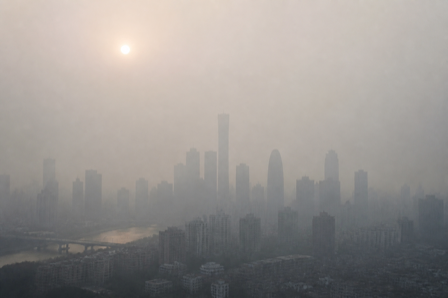
When the sky turns a flat, sickly grey and the sun dims at midday, Southeast Asians know the season has arrived. Toxic haze from Indonesian fires is again choking cities across the region, and the alerts are at their most severe levels. Beyond the headlines, the practical question is how to protect yourself.
The 2026 haze has been especially harsh, driven by widespread fires and prolonged dry conditions, and it has pushed air quality in major cities to hazardous levels while drifting across borders. This piece covers what is happening, why it recurs, the real health risks, and the concrete steps that reduce your exposure. It is general health information, not medical advice.
The Short Version
Forest and peatland fires in Indonesia, worsened by dry conditions, have sent thick transboundary haze across Southeast Asia, with cities in the region repeatedly ranking among the most polluted in the world. Authorities have issued severe alerts, the regional meteorological body activated its highest transboundary-haze level, and Malaysia declared an air-quality emergency, with school closures and rising respiratory complaints reported. The haze carries fine particulate pollution that is genuinely harmful, especially to vulnerable groups. Protecting yourself means monitoring air quality, limiting outdoor exposure, using well-fitted masks and air filtration, and following local guidance. This is general information, not medical advice.
What Is Happening
Large-scale forest and peatland fires in Indonesia, intensified by drought, have produced haze that spread across the region and pushed air quality to critical levels, prompting Malaysia to declare an air-quality emergency, as Euronews reported. The smoke has choked parts of Borneo and drifted to neighboring countries, with major cities frequently ranking among the world’s most polluted, as Al Jazeera documented. Regional authorities activated the highest transboundary-haze alert level for the affected areas.
Why It Keeps Happening
The haze is a recurring seasonal problem rooted in land-clearing fires, especially on carbon-rich peatlands that smolder and produce dense smoke, made worse in dry years. Because smoke does not respect borders, fires in one country degrade air quality across several, which is why it becomes a regional crisis and a diplomatic one. The pattern returns whenever fire activity and dry conditions align, which is part of why long-term solutions have proven difficult.
Why the Haze Is a Real Health Risk
This is far more than an inconvenience of poor visibility. Haze is loaded with fine particulate matter that penetrates deep into the lungs and can enter the bloodstream, aggravating respiratory and cardiovascular conditions. The groups most at risk deserve extra caution:
| Higher-risk group | Why extra care matters |
|---|---|
| Children | Developing lungs and higher breathing rates |
| Older adults | More likely to have heart or lung conditions |
| People with asthma or COPD | Haze can trigger serious flare-ups |
| Pregnant people | Air pollution carries added risks |
How to Protect Yourself
The practical steps are well established. Monitor your local air-quality index and heed official alerts. When levels are unhealthy, stay indoors with windows closed, run an air purifier with a HEPA filter if you have one, and limit strenuous outdoor activity. If you must go out, wear a well-fitted mask rated to filter fine particles, such as an N95 or equivalent, rather than a loose cloth mask. Keep vulnerable family members indoors as much as possible, and follow any school or workplace closures.
This article is general information, not medical advice. If you or someone you care for experiences breathing difficulty or worsening symptoms, seek medical attention and follow guidance from local health authorities.
What Authorities Are Doing
Responses span firefighting, alerts, and enforcement. Regional bodies issue transboundary-haze warnings, governments close schools and advise the public during peak pollution, and Indonesian authorities have taken enforcement action against those accused of illegal burning. These measures address the immediate crisis, but the recurring nature of the haze underscores that prevention, particularly around land-clearing fires, is the harder long-term challenge.
What to Watch
Conditions can shift quickly with weather and firefighting progress, so the near-term outlook depends on rainfall and hotspot control. Keep an eye on official air-quality readings rather than the view out the window, which can be misleading. For more health coverage, browse Visboo’s Health section and our News hub.
Frequently Asked Questions
What is causing the Southeast Asia haze?
Forest and peatland fires in Indonesia, worsened by dry conditions, produce thick smoke that drifts across the region. Peatland fires in particular smolder and generate dense haze, and the smoke crosses borders to affect multiple countries.
How dangerous is the haze to health?
It contains fine particulate matter that penetrates deep into the lungs and can enter the bloodstream, aggravating respiratory and cardiovascular conditions. Children, older adults, pregnant people, and those with asthma or COPD face the highest risk.
What kind of mask should I wear?
A well-fitted mask rated to filter fine particles, such as an N95 or equivalent, is far more effective than a loose cloth or surgical mask. Fit matters, since gaps let unfiltered air in.
How can I keep my home air cleaner?
Keep windows and doors closed during high pollution, and run an air purifier with a HEPA filter if available. Limit activities that add indoor pollution, and create at least one cleaner room where vulnerable family members can stay.
How do I know when it is unsafe to go out?
Check your local air-quality index and follow official alerts rather than judging by visibility alone. When readings are in unhealthy ranges, limit outdoor time and strenuous activity, especially for higher-risk groups.
What This Means
The return of the haze is both an immediate health emergency and a reminder of an unresolved regional problem. You cannot control the fires, but you can control your exposure: watch the air-quality numbers, seal and filter your indoor air, mask properly when you must go out, and protect the vulnerable first. For anything beyond general precautions, defer to local health authorities. For more, keep an eye on our Health coverage.