


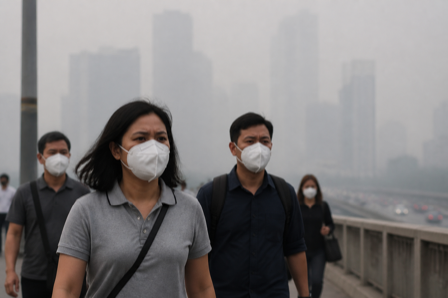
The haze crossed a line this week, and so did the region’s governments. Monitoring turned into advisories, and in places, into closed schools. Here is what each country is actually telling residents to do.
As smoke from Indonesian fires spread across Southeast Asia, the response moved past dashboards and into official action. Singapore issued health advisories as its air slipped into the unhealthy band, Malaysia shut hundreds of schools, and health systems started counting the cost in clinic visits. If you are in the region, the practical question is which advisory applies to you and what it requires. Here is the country-by-country picture, with the caveat that readings change hourly.
Short Answer
Singapore’s National Environment Agency logged an unhealthy air-quality reading in mid-September and advised sensitive groups to limit outdoor activity. Malaysia’s authorities closed hundreds of schools in the worst-hit areas and applied standing rules that halt outdoor activities and shut schools at set pollution thresholds. The Philippines and other neighbors issued their own alerts as the smoke drifted. Across all of them, the guidance rhymes: limit outdoor exposure, wear proper masks, and protect the vulnerable. Always follow your national agency’s live figure over any number here. For a full protect-your-household guide, see our explainer on the haze.
Where the Advisories Stand
The clearest signal that this episode turned serious came from Singapore. Its National Environment Agency recorded a central-region reading in the unhealthy range in mid-September, the first islandwide move into that band in about seven years, per regional reporting. In Malaysia, readings in parts of Sarawak climbed far higher, and authorities ordered widespread school closures. Elsewhere, the smoke reached the Philippines and other neighbors, each issuing local guidance.
The Thresholds That Trigger Action
The reason school closures and activity bans are not arbitrary is that each country ties them to specific index levels. Knowing the thresholds tells you what comes next as the numbers move.
| Country | Index | Key action points |
|---|---|---|
| Singapore | PSI | 101-200 is unhealthy; advisories urge sensitive groups to reduce outdoor activity |
| Malaysia | API | Outdoor activities generally halt above 100; schools close above 200; above 300 is hazardous |
| Philippines | AQI | 101-150 is unhealthy for sensitive groups; 151 and up is unhealthy for everyone |
The Health-System Response
Advisories are one measure of severity; clinic visits are another. In Malaysia, health authorities reported sharp rises in respiratory complaints during the smoke, with acute upper-respiratory infections and asthma cases climbing well above baseline in an August window. Hospitals and clinics in affected areas brace for more of the same when readings stay high, and mask guidance is issued alongside. These figures come from health authorities and move with the haze, so treat them as a snapshot rather than a fixed total.

What Officials Are Advising Residents
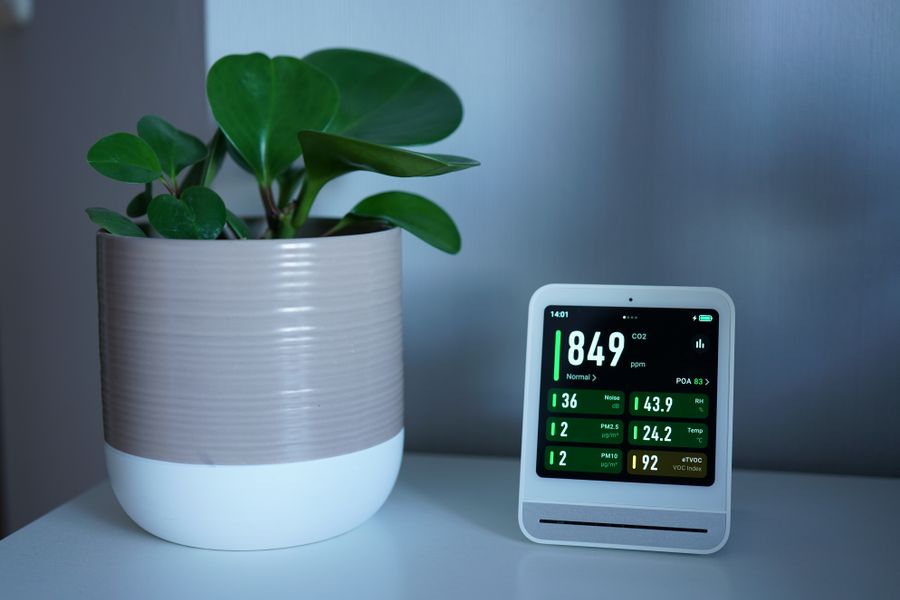
The instructions are consistent across borders, even if the index names differ. Reduce time outdoors when readings are unhealthy. Wear a well-fitting N95 or KN95 mask outside, since surgical and cloth masks do little against fine smoke. Keep windows closed and use air purifiers indoors where possible. And prioritize the people who suffer soonest: young children, older adults, pregnant women, and anyone with asthma or heart conditions.
How to Follow the Official Numbers
Because the haze shifts hour to hour, the single most useful habit is checking your own country’s official source rather than relying on a static figure. In Singapore, that is the National Environment Agency’s PSI; in Malaysia, the Department of Environment’s API portal; in the Philippines, the environment and health departments. Those agencies, not social media screenshots, are what school and workplace decisions should follow. For more health coverage, browse Visboo’s Health section.
This article is general information, not medical advice. Air quality changes hour to hour, so always follow official local advisories, from Singapore’s NEA, Malaysia’s DOE, or the Philippines’ DENR and DOH, over any figure here, and consult a healthcare professional for symptoms or health conditions.
Frequently Asked Questions
How bad did the air get in Singapore?
Singapore’s National Environment Agency recorded a central-region reading in the unhealthy band in mid-September, its first islandwide move into that range in roughly seven years. Sensitive groups were advised to limit outdoor activity, and the situation was expected to fluctuate with the wind.
Why did Malaysia close schools?
Malaysia ties school closures to its Air Pollutant Index. When the API passes 200 in an area, schools generally close, and above 100 outdoor activities are halted. Readings in parts of Sarawak reached levels that triggered widespread closures.
What mask should residents wear?
Officials advise a well-fitting N95 or KN95 respirator, which filters fine smoke particles. Surgical and cloth masks provide little protection against haze and should not be relied on for outdoor exposure.
Where should I check the official air quality?
Use your national agency: Singapore’s NEA for PSI, Malaysia’s Department of Environment API portal, and the Philippines’ environment and health departments. These official sources, updated regularly, are what school and work decisions should follow rather than social media figures.
Who is most at risk during the haze?
Children, older adults, pregnant women, and people with asthma, other respiratory conditions, or heart disease are most vulnerable. Advisories consistently urge these groups to stay indoors, limit exertion, and keep any prescribed inhalers or medication close.
What To Know
The advisories are the region’s way of translating a moving pollution number into a decision you can act on: stay in, mask up, keep the kids home. As long as the fires burn and the wind carries the smoke, expect those thresholds to keep triggering. The most reliable move is to follow your own country’s official reading and treat its guidance, not the haziness of the sky or a viral post, as the signal to act.