



The seller of a “guaranteed” betting pick is not sharing a hot tip. They are running a numbers game where you are the mark, and the math guarantees only their payday.
Open any sports app during a big game and the DMs start: a stranger with a flashy record offering “locks,” a promo code that doubles your deposit, an account that looks exactly like a real sportsbook. Some are harmless hype. Many are a con that has barely changed in decades, just moved to Instagram and Telegram. Understanding the trick behind the “guaranteed pick” makes it almost impossible to fall for.
Short Answer
No one can guarantee the outcome of a game, so any “guaranteed pick” is a lie by definition. The most common sports betting promo scams use a fake track record to sell picks, a phony bonus or promo code to phish your deposit, or a “I’ll bet for you” offer that charges a fee you never get back. The red flags are consistent: guaranteed wins, upfront payment by gift card or crypto, and pressure to act now. If money has to leave your hands before you see any proof, walk away.
Table of Contents
The math that makes “guaranteed picks” a con
Here is the trick that makes a scammer look like a genius. Suppose they message 1,000 people about a game. They tell 500 to bet the home team and 500 to bet the away team. One group loses and never hears from them again; the other group just watched a “guaranteed” pick hit. Repeat with the winners a few times and a small group has seen four or five perfect calls in a row, so they happily pay for the next “lock.” The seller never predicted anything. The Better Business Bureau warns about exactly this in its alert on guaranteed sports picks. The same con explains the doctored bet slips and cherry-picked win records you see online: you are shown the hits and never the misses.
How big is the problem?
There is no official tally of sports betting promo scams specifically, so anyone quoting a precise figure is guessing. The backdrop, though, is enormous. The FTC reported that people lost $12.5 billion to fraud in 2024, with social media the most common place scams begin, in its 2024 fraud data. Betting-pick schemes ride that same social-media wave. Individual cases run large: prosecutors alleged one long-running sports-pick operation took more than $25 million from victims. The takeaway is a pattern rather than a single number: a high-volume con aimed at fans who want an edge.
Where the scams live: Instagram and Telegram

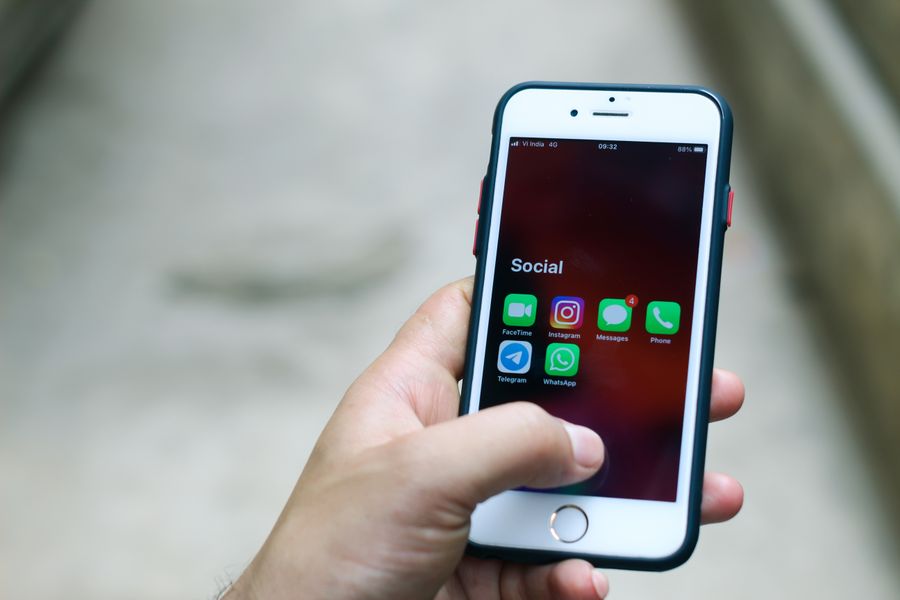
The pitch almost always starts on social platforms, and the accounts are built to impress fast. They post screenshots of huge wins, a follower count that may be bought, and testimonials that cannot be verified. The move to private channels is the tell: they push you from a public comment into a Telegram or WhatsApp group where there is no moderation, no refund path, and no record once you are blocked. A real, licensed sportsbook does not slide into your DMs offering to place bets on your behalf. A stranger promising to do that is the setup for the fee scam below.
The payment red flags
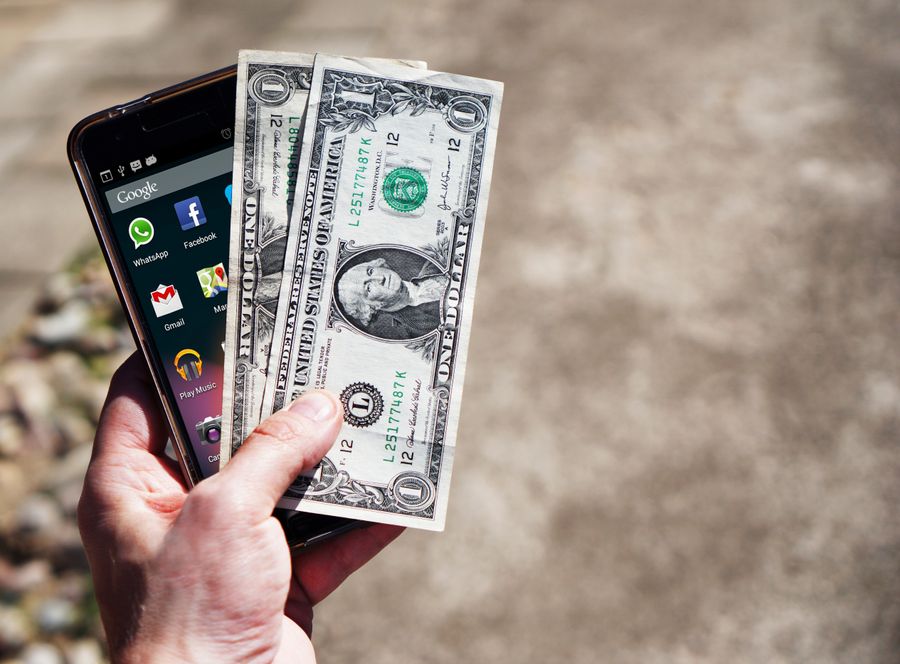
How they ask for money gives them away more reliably than any claim. Watch for an upfront fee for picks, a demand to pay by gift card, cryptocurrency, or a peer-to-peer app like Cash App or Venmo, and the classic “I’ll place the bet, just send your stake plus my fee.” A close cousin is the fake bonus: a promo code or “double your deposit” link that impersonates a real sportsbook to harvest your login or card. Treat any request to pay in crypto the way you would the common Bitcoin scams, since that money is gone the moment it sends. If withdrawing your own “winnings” suddenly requires another fee, that is the scam confirming itself.
A 30-second scam check before you pay
Run any betting offer through these four questions. A single yes should stop you.
- Does it promise guaranteed wins or a “lock”? Impossible in betting, so this alone is disqualifying.
- Do they want money up front, or via gift card, crypto, or a cash app? Legitimate services do not, and those payment methods are untraceable by design.
- Can you verify the track record independently? Not screenshots they control, but a documented, third-party record. If it does not exist, assume the wins do not either.
- Are they rushing you with a “limited time” offer? Manufactured urgency is a pressure tactic, not a real deadline.
Betting involves risk, and no service can change the odds in your favor. Only gamble with money you can afford to lose, follow your local laws and age limits, and if betting stops feeling fun, call the National Problem Gambling Helpline at 1-800-GAMBLER or visit the National Council on Problem Gambling. This article is general information, not betting or financial advice.
What To Know
- “Guaranteed picks” work by selling opposite bets to different people, not by predicting games.
- The scams start on social media and move you to unmoderated Telegram or WhatsApp groups.
- Upfront fees paid by gift card, crypto, or a cash app are the clearest red flag.
- A withdrawal that suddenly needs another fee is a scam, not a real payout.
Frequently Asked Questions
Are any sports handicappers legitimate?
Some sell analysis honestly and never promise wins, but the moment anyone guarantees results or hides their losses, treat it as a scam. Even a genuine tipster cannot beat the odds reliably, so pay for entertainment or analysis, never for a promised outcome.
How does the “guaranteed pick” scam actually work?
The scammer sends opposite picks to different groups of people. One group always sees a win, so to them the pick looks guaranteed. After a few rounds, the survivors have seen only wins and pay for more. No prediction ever happened; it is simple probability dressed up as skill.
Is a promo code offer from a sportsbook always fake?
Not always, but verify it. Real promotions live on the sportsbook’s own app or official site. A code sent by a stranger in your DMs, or a link that asks for your login or card outside the official app, is likely a phishing attempt using the brand’s name.
Someone offered to place bets for me for a fee. Is that a scam?
Almost certainly. This is a common setup where you send your stake plus a fee and either never see a return or are told you must pay another fee to withdraw. Place your own bets through a licensed operator, and never send money to a stranger to bet for you.
I already paid a picks seller. What can I do?
Stop sending money immediately, screenshot everything, and report it to the FTC at ReportFraud.ftc.gov and to the platform where it happened. If you paid by card, contact your bank about a dispute. Gift card and crypto payments are usually unrecoverable, which is why scammers prefer them.
What To Do Next
Treat every unsolicited betting tip as a sales pitch until proven otherwise, and run it through the four-question check before any money moves. The single most protective habit is refusing to pay upfront for a promised result. For more sports coverage and fan guidance, browse Visboo’s Sports section.