Every so often a post about a Canadian hospital bill for having a baby goes viral, and the comments split instantly: some insist it is free, others share eye-watering numbers. Both can be right, because the answer depends entirely on who is giving birth.
The conversation about what a postpartum stay in Canada really costs keeps resurfacing, and it usually tangles two very different situations: covered residents and uninsured non-residents. Sorting them out clears up most of the confusion. Here is what giving birth in Canada actually costs, when it is effectively free, and when the bill can climb into the thousands.
The Short Version
For Canadian citizens and permanent residents, medically necessary maternity care, prenatal visits, hospital labour and delivery, and immediate postpartum care, is generally covered by provincial public health insurance, so they typically do not receive a bill for the birth itself. Optional extras, most notably a private room during the postpartum stay, can carry fees, often around a few hundred dollars per day, while shared rooms are covered. For non-residents or the uninsured, however, giving birth can cost thousands of dollars, with some hospitals requiring large deposits up front. This article is general information; costs vary by province and situation.
For Residents: Largely Covered
Here is the part that fuels the “it’s free” comments. For citizens and permanent residents, provincial public health insurance covers medically necessary maternity care, including prenatal care, labour and delivery in hospital, and immediate postpartum care. In practice, that means most Canadian parents do not see a hospital bill for the birth itself. It is not literally free, it is funded through taxes, but at the point of care, there is generally no charge for the core services.
The Add-Ons That Still Cost Money
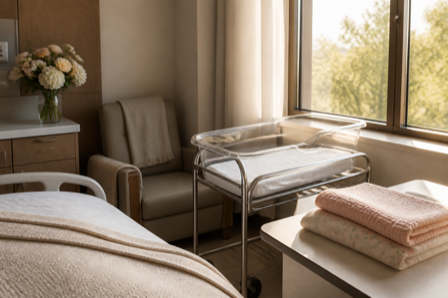
So where do the bills people post come from? Often from optional extras. A private room during a postpartum stay can carry a daily fee, reported around a few hundred dollars per day, whereas a shared room is covered, as cost breakdowns of giving birth in Canada explain. Other potential charges include certain medications, ambulance fees, or specific devices and outpatient extras. These are real costs, but they are add-ons, not the price of the birth.
| Item | Typical cost for a resident |
|---|---|
| Labour and delivery (hospital) | Covered by provincial insurance |
| Shared postpartum room | Covered |
| Private room upgrade | A daily fee, often a few hundred dollars |
| Some medications, ambulance, extras | May carry charges, varies |
For Non-Residents: The Big Bills
This is where the alarming numbers come from. People without provincial coverage, including visitors, face the full cost of maternity care, which can range widely and reach many thousands of dollars depending on the province and circumstances, with some hospitals now requiring substantial deposits up front, as guidance on the cost for non-residents details. A viral bill showing a large figure is almost always this situation, not what a covered resident pays.
Why the Confusion Persists
The two realities get flattened into one debate. A resident says “I paid nothing,” a visitor shows a five-figure invoice, and both are telling the truth about their own circumstances. Add in optional private-room fees that even residents sometimes pay, and it is easy to see why the online conversation never quite resolves. The key is always to ask which situation a given bill reflects before drawing conclusions.
What It Means for Expecting Parents
If you are a covered resident, budget for possible extras like a private room if you want one, but expect the core birth to be covered. If you are a non-resident or lack provincial coverage, plan carefully: confirm costs with the specific hospital, ask about deposits, and look into appropriate insurance well before your due date. For more on health and money, browse Visboo’s Health section and our Finance coverage.
This article is general information, not medical, legal, or financial advice. Costs and coverage vary by province, hospital, and individual circumstances; confirm details directly with the relevant authorities and providers.
Frequently Asked Questions
Is giving birth free in Canada?
For citizens and permanent residents, medically necessary maternity care is generally covered by provincial public health insurance, so there is usually no bill for the birth itself. It is funded through taxes rather than truly “free,” but there is typically no charge at the point of care.
Why do some people post large hospital bills?
Those bills almost always belong to non-residents or uninsured patients, who face the full cost of maternity care. They can also reflect optional add-ons like a private room. They are not what a covered resident pays for the delivery.
What does a private room cost?
A private postpartum room can carry a daily fee, reported around a few hundred dollars per day, while a shared room is covered. It is an optional upgrade, so residents can avoid the charge by taking a shared room.
How much does it cost for non-residents?
It varies widely by province and situation but can run into many thousands of dollars, and some hospitals require large deposits in advance. Non-residents should confirm costs with the hospital and arrange appropriate insurance ahead of time.
What else might a resident be charged for?
Beyond a private room, possible charges include certain medications, ambulance fees, and specific devices or outpatient extras. Core labour, delivery, and immediate postpartum care are generally covered.
What This Means
The viral debate about Canadian childbirth costs is really a misunderstanding wearing two faces. Covered residents largely do not pay for the birth; non-residents and the uninsured very much do, and optional extras blur the line further. The useful move is not to argue over a single screenshot but to know which situation applies to you, and plan for it. For specifics, always check with your province and hospital.