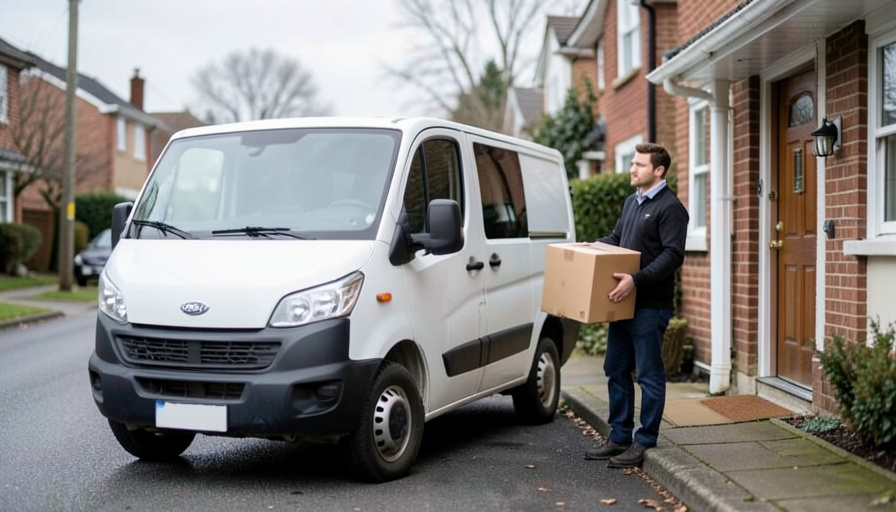
Here is the strange thing about record diesel prices: the people who never pump a drop of the stuff still end up paying for it, just in places they do not think to look.
Diesel set an all-time record in September 2026, and most of the coverage focused on truckers and the pump. But diesel is the fuel underneath the whole economy, moving nearly everything you buy. When it hits a record, the cost does not stay on the highway. It seeps into your grocery receipt, your delivery fees, your commute, and, come winter, your heating bill. Here is where it actually shows up.
The Short Version
Record diesel reaches consumers mainly through freight. Carriers pass higher fuel costs along as surcharges tied to the weekly diesel price, and those costs ripple into the price of almost anything shipped by truck. Expect a gradual push on grocery and everyday-goods prices, higher delivery and shipping fees, pressure on commute costs, and a pricier winter for homes that heat with oil. You cannot control the price, but knowing where it lands helps you plan for it. For the background on the record itself, see our breakdown of the diesel record.
You’re Paying for Diesel Even If You Don’t Drive One
The link between a truck stop and your wallet is the fuel surcharge. Freight contracts add a per-mile charge that rises with diesel, pegged to the weekly government price. When diesel spikes, that surcharge climbs, and it gets folded into what a store, a supplier, or a delivery service pays to move goods. Eventually, a chunk of that reaches the shelf price and the checkout total.
| Where you feel it | How diesel gets there |
|---|---|
| Groceries and everyday goods | Fuel is a large share of the cost to move and stock products |
| Delivery and shipping fees | Carriers add fuel surcharges tied to the weekly diesel price |
| Your commute | Diesel vehicles directly, and gasoline usually rises alongside |
| Winter heating | Heating oil is chemically almost the same as diesel |
Groceries and Everyday Goods
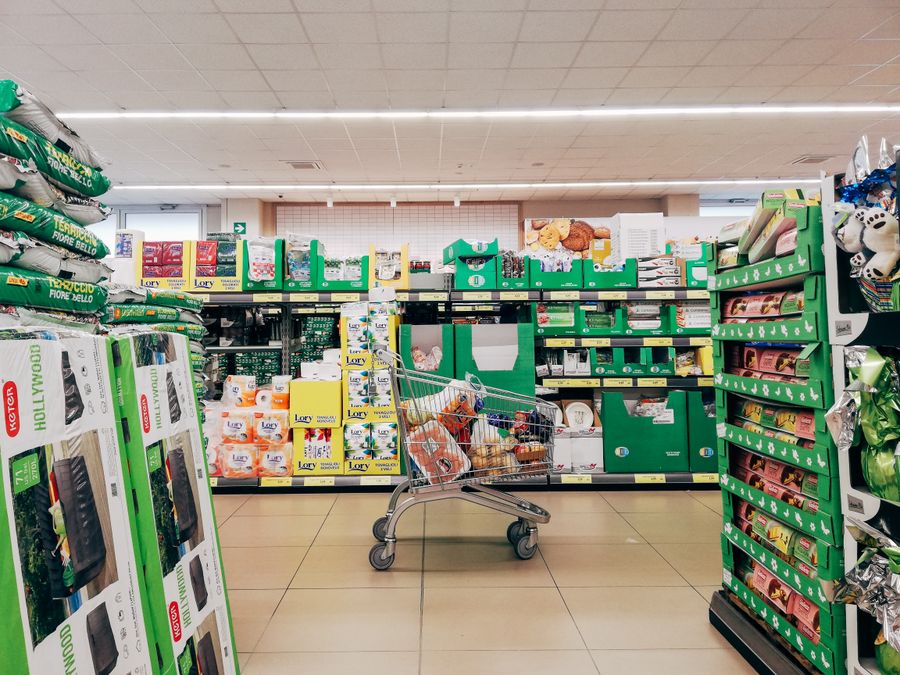
Food is the clearest example, because it moves constantly and over long distances. Fuel makes up a meaningful slice, often cited in the range of 15 to 30 percent, of what it costs to get groceries from farm to store. When diesel jumps, that cost pressure builds, which is why economists keep warning that fuel “gets into just about everything.” As national reporting has noted, the effect on prices tends to be a slow, broad creep rather than an overnight jump, and it can linger even after diesel itself starts to ease.
Delivery and Shipping Fees
If you order things online, watch the fees rather than just the item price. Shipping carriers and last-mile delivery services adjust fuel surcharges as diesel rises, so the same package can cost more to send. Some retailers absorb it to stay competitive, and some pass it straight through. Either way, a sustained diesel record nudges the true cost of “free” shipping upward, usually recouped somewhere in the order.
Your Commute
Diesel-vehicle owners feel it most directly, watching the fuel-economy advantage that justified the purchase shrink. But even if you drive gasoline, you are not insulated, because gas prices usually climb alongside diesel during a broad energy squeeze. Anyone relying on buses or diesel-powered transit can see operating costs rise too, which can eventually show up in fares.
The Winter Bill: Heating Oil
This is the one that catches Northeast households off guard. Heating oil is essentially dyed diesel, so its price tracks the same market. Millions of US homes heat with oil, and heading into the cold months, a diesel record points toward a more expensive winter for them. If that is your home, budgeting early beats being surprised by the first delivery bill. The bigger picture on where prices go next is in our look at how long record diesel may last.
What You Can Actually Do
You cannot move the price of diesel, but a few moves soften the blow. Build a little slack into the grocery and delivery budget rather than assuming last month’s numbers hold. If you heat with oil, ask suppliers about budget or price-cap plans before winter. Consolidate online orders to cut the number of shipments you pay surcharges on. None of it is dramatic, but small adjustments add up when a cost this broad is climbing.
This article is for general information only and is not financial advice. Prices move quickly and effects vary by region, so confirm current figures and consider your own situation before making budgeting decisions.
Frequently Asked Questions
How do diesel prices affect people who don’t drive diesel?
Through freight. Diesel powers the trucks that move nearly everything you buy, and carriers pass higher fuel costs along as surcharges. Those costs work their way into grocery prices, delivery fees, and the cost of goods, so you pay indirectly even without buying diesel.
Will record diesel raise grocery prices?
Most likely as a gradual increase rather than a sudden jump. Fuel is a significant share of the cost to transport and stock food, so a sustained diesel record tends to push grocery and delivery prices up over the following weeks.
Why do delivery fees go up when diesel rises?
Shipping and last-mile carriers use fuel surcharges that adjust with diesel prices. When diesel climbs, those surcharges rise, increasing the cost to ship each package, which retailers either absorb or pass on to customers.
Does diesel affect gasoline prices too?
Often, yes. During a broad energy squeeze, gasoline typically rises alongside diesel, so commuters in gas vehicles usually feel some effect even though the record is in diesel specifically.
How does record diesel affect heating costs?
Heating oil is chemically close to diesel and priced off the same market. Households that heat with oil, concentrated in the Northeast, should expect higher winter delivery prices when diesel sets records.
Practical Takeaway
Record diesel is a cost-of-living story wearing a trucking headline. It reaches you through the shelf price, the shipping fee, the pump, and the furnace, quietly and from several directions at once. You cannot control it, but you can see it coming, and a little planning on groceries, deliveries, and heating goes further than pretending the number at the truck stop has nothing to do with you.