
The handshake is the easy part. A private-party car sale almost always goes wrong at the paperwork, and a single title mistake can leave you paying for a car you cannot register or one you no longer own.
Buying or selling a car between two people saves everyone the dealer markup, but it also hands you the job the dealership normally does: getting the title transferred cleanly. That is where deals fall apart. A wrong signature, a skipped form, or a title that was never in the seller’s name can turn a good price into weeks at the DMV or a legal mess. These are the eight mistakes that cause the most trouble, and what to do instead.
The three that cause the most damage:
- Paying before you verify the title and lien — the hardest problem to undo.
- Buying a car with an open or “jumped” title — you may never be able to register it.
- Skipping the release of liability as a seller — you stay on the hook for a car you sold.
Quick reference: the 8 mistakes at a glance
| Mistake | What goes wrong | How to avoid it |
|---|---|---|
| Paying before verifying | Title defects lock up your money | Check title, lien, ID, VIN first |
| Open or jumped title | Seller isn’t the legal owner on paper | Confirm the name on the title matches the seller’s ID |
| Unreleased lien | The lender, not the seller, owns the car | Get a lien release before paying |
| Signing in the wrong place | A scratched-out title gets rejected | Sign only the assigned lines, no cross-outs |
| Odometer errors | Federal disclosure is invalid | Record exact mileage, no estimates |
| Skipped notarization | Title can’t be processed in some states | Check if your state requires a notary |
| No release of liability | Seller keeps tickets and accident risk | File the notice of transfer promptly |
| Missed transfer deadline | Late fees stack up | Transfer within your state’s 10-30 day window |
Table of Contents
1. Handing over the money before you verify the title

This is the single most expensive mistake, because it makes every other problem on this list permanent. Once cash changes hands, a title defect stops being the seller’s problem and becomes yours, and the seller who was so friendly during the test drive often stops answering the phone. Before you pay a cent, confirm four things: the name on the title matches the seller’s photo ID, the vehicle identification number on the title matches the one on the dashboard and door jamb, the odometer reading is consistent, and there is no lien listed. If any of those does not line up, walk away or fix it first.
The fix: Treat verification as a precondition of payment, not a formality afterward. Meet at a bank or, in many areas, a police department’s designated safe-exchange zone, and inspect the physical title in person before any money moves.
2. Buying a car with an open or “jumped” title
An “open title” happens when a previous buyer never transferred the car into their own name and is now trying to sign it over to you, sometimes across several owners. It is one of the most common complaints from private buyers, and it leaves you unable to register the car because the paper trail is broken. Curbstoners, unlicensed dealers who flip cars from a home driveway, do this on purpose to dodge taxes and liability. If the name on the title is not the person selling you the car, that is a serious warning sign, not a paperwork quirk.
The fix: Insist that the seller is the person named on the title. If they are not, ask them to complete their own transfer first, or find a different car. Do not accept a title that a middle person has signed as an unnamed “agent.”
3. Skipping the lien check before you pay
A car with an unpaid loan is still owned, in part, by the lender, and that lender’s lien follows the vehicle, not the seller. If you buy a car with an active lien and the seller pockets your money without paying it off, the lender can eventually repossess the car you thought you owned. A clean-looking title does not guarantee a clean loan history, since some liens are recorded electronically and are not printed on an older paper title.
The fix: Run the VIN through your state’s title records or a paid history report to check for an active lien, and if there is one, complete the sale at the lienholder’s bank so your payment clears the loan and the title is released directly. Never pay off someone else’s loan on trust alone.
4. Signing the title in the wrong place or crossing out a mistake

Titles are unforgiving documents. The most common confusion is where each party signs, with sellers signing the buyer’s line or both parties signing out of order, and a title signed in the wrong spot is often rejected outright. Worse, if you catch an error and scratch it out or use correction fluid, most DMVs will treat the whole title as void and force the seller to apply for a duplicate, which adds days or weeks and requires tracking down a seller who has already moved on.
The fix: Read the assignment section slowly before anyone signs, and confirm which line is for the seller and which is for the buyer. If someone makes a mistake, do not cross it out. Stop and apply for a duplicate title the correct way instead of trying to fix the ink.
5. Getting the odometer disclosure wrong
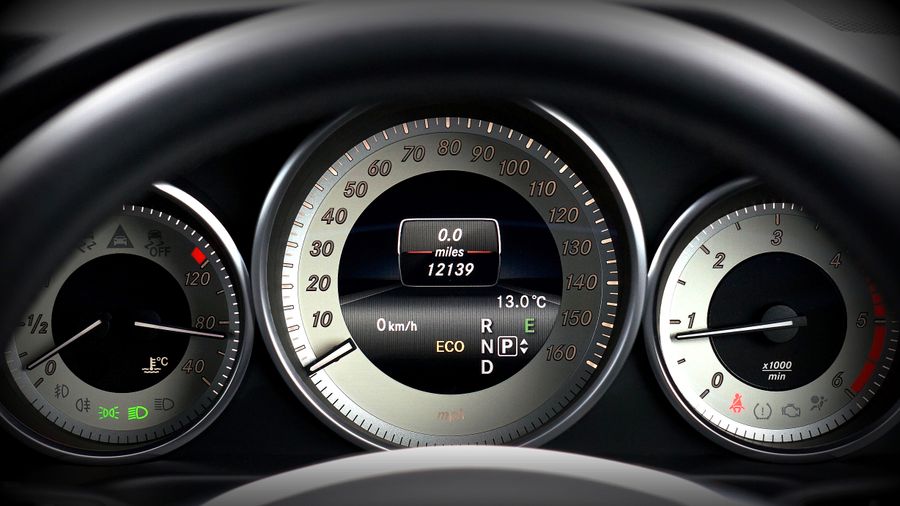
Federal law takes mileage seriously. The Truth in Mileage Act requires the seller to give the buyer a written odometer statement for almost every vehicle transfer, and on most titles that disclosure is printed right on the document and must be signed. Sellers routinely estimate the mileage, leave the box blank, or misread the number, and any of those can invalidate the disclosure and stall your registration. The National Highway Traffic Safety Administration lays out the federal odometer disclosure requirements that every private sale falls under.
The fix: Record the exact mileage from the dashboard at the moment of sale, to the digit, and have the seller sign the odometer line on the title. If the reading is not accurate, or the car is old enough to be exempt, note that correctly rather than guessing.
6. Skipping notarization when your state requires it
This one blindsides people because it is easy to assume a signature is a signature. In a number of states, the seller’s signature on the title has to be notarized before the transfer is valid, and if you skip it, you end up with a title that looks finished but cannot actually be processed. Nobody warns most private sellers about this step, so the two parties sign, shake hands, and only discover the gap at the DMV counter, long after they have parted ways.
The fix: Check your state’s title requirements before the sale, and if a notary is required, sign in front of one together. Many banks notarize for free for account holders, so meeting at a bank handles the payment, the notary, and the safe location in one trip.
7. Selling without filing the release of liability
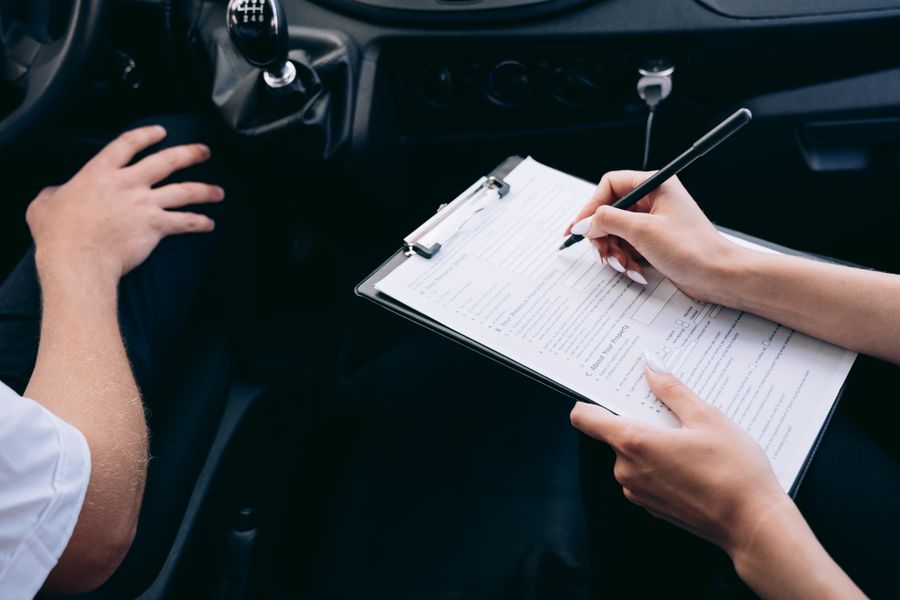
This is the mistake that haunts sellers. Signing the title over to a buyer does not automatically tell the DMV you sold the car, and until the buyer completes their side of the transfer, you remain the registered owner on paper. If that buyer runs red-light cameras, racks up parking tickets, or causes an accident before they register the car, those can trace back to you. Releasing liability is a separate step that sellers routinely forget exists. California, for example, asks sellers to file a notice of transfer and release of liability within five days of the sale.
The fix: The moment you sell, file your state’s notice of transfer or release of liability, usually available online through the DMV. Keep a copy of the signed bill of sale with the date, the buyer’s information, and the odometer reading as your proof.
8. Missing the transfer deadline and eating late fees
Buyers who assume they can get to the DMV “whenever” often pay for the delay. Most states give you a set window, commonly between 10 and 30 days after the sale, to complete the title transfer, and blowing past it triggers late penalties on top of the normal transfer fee and sales tax. Drag it out long enough and you can be driving a car you technically do not own yet, which complicates insurance claims if something happens in the meantime.
The fix: Look up your state’s transfer deadline the day you buy, and put the DMV visit on your calendar well inside the window. Bring the signed title, the bill of sale, your ID, proof of insurance, and payment for the fee and tax so you can finish in one visit.
How We Chose These
We focused on the mistakes that carry real financial or legal weight, rather than minor slip-ups the DMV waves through. Priority went to errors that are hard to reverse once money has changed hands, that recur across state lines, and that show up repeatedly in buyer and seller complaints about private-party deals. We weighed how common each mistake is, how much it costs to fix, and whether ordinary sellers even know the step exists, which is why quieter traps like the release of liability and state notarization rules made the list alongside the obvious ones.
Title and registration rules vary by state, and this article is general guidance, not legal advice. Confirm the exact requirements, deadlines, and forms with your own state’s DMV or motor vehicle agency before completing a sale.
The Bottom Line
Almost every private-party title disaster traces back to one habit: paying before verifying. If you check the name on the title, the lien status, the VIN, and the odometer before any money moves, you sidestep most of this list. Buyers should guard the transfer deadline and refuse an open title, and sellers should treat the release of liability as the last, non-negotiable step of the sale. Get the paperwork right and the good price you negotiated actually stays a good deal. For more car-buying and ownership guidance, browse Visboo’s Autos section, and our Finance coverage for the money side of a used-car purchase.
Frequently Asked Questions
What is the most common private car title transfer mistake?
Paying the seller before verifying the title, lien, VIN, and odometer. Once money changes hands, any defect becomes the buyer’s problem to fix, and an uncooperative seller can make it slow or impossible. Verifying everything first prevents the majority of title headaches.
What is an open title and why is it a problem?
An open title is one that a previous buyer signed but never transferred into their own name, so ownership was never officially recorded. When they sell it to you, the paper trail is broken and your DMV may refuse to register the car. Always buy from the person actually named on the title.
Do I still owe anything after I sell my car privately?
You can, if you do not file a release of liability. Signing the title over does not automatically notify the DMV, so until the buyer registers the car, you remain the owner on record and can be linked to their tickets or accidents. File your state’s notice of transfer right after the sale to end that exposure.
How long do I have to transfer a car title after buying it?
Most states allow 10 to 30 days from the date of sale, though the exact window varies. Miss it and you will pay a late penalty on top of the transfer fee and sales tax. Check your state’s deadline the day you buy and complete the transfer well within it.
Does a car title need to be notarized for a private sale?
It depends on your state. Several states require the seller’s signature on the title to be notarized before the transfer is valid, while many do not. Confirm your state’s rule before the sale, and if a notary is required, sign together in front of one, which many banks provide free.
What documents do I need to transfer a car title?
Generally the seller-signed title with no cross-outs, a bill of sale listing the vehicle and price, your driver’s license, proof of insurance for that vehicle, and payment for the transfer fee and sales tax. A completed odometer disclosure is also required for most vehicles.