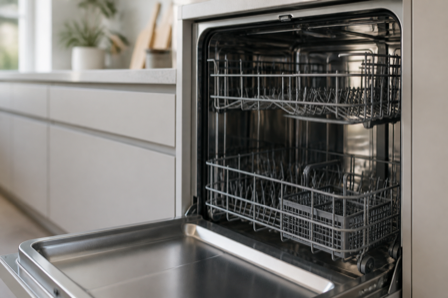
A photo of a dishwasher “literally rotting” after just four years is the kind of thing that makes everyone glance uneasily at their own kitchen. It went viral because it taps a real worry: that appliances do not last like they used to, and that the warranty may not have your back.
The post reopened a familiar debate about appliance materials and warranty coverage. The reassuring news is that many dishwashers actually carry strong protection against exactly this kind of rust, if you know what to look for. The frustrating news is that the coverage is uneven and easy to misunderstand. Here is why dishwashers corrode, what warranties really cover, and how to avoid being caught out.
The Short Version
Dishwashers combine water, heat, and detergent, so corrosion is a real long-term risk, and cheaper interior materials can degrade faster. Most dishwashers come with a standard one-year warranty on parts and labor, which generally will not help with rust appearing at year four. However, some brands offer much longer protection specifically for rust-through on the stainless tub and inner door liner, sometimes a lifetime warranty, if the corrosion stems from defective materials or workmanship. The key is knowing which coverage your model carries and what conditions apply, because “rotting after four years” may or may not be covered depending on the brand and cause.
Why Dishwashers Rust in the First Place
It is a harsh environment in there. A dishwasher runs hot water, detergent, and moisture through metal and plastic components thousands of times over its life, and that combination invites corrosion. Interior tub material matters a lot: stainless-steel tubs resist rust better than lower-grade options, and the quality of seals, racks, and coatings affects how quickly wear shows. When a machine “rots” early, it usually points to either a materials or manufacturing weakness, or an environment and usage pattern that accelerated normal wear.
What Standard Warranties Actually Cover
Here is the gap most people discover too late. A typical dishwasher ships with a one-year limited warranty covering parts and labor for defects under normal use, as appliance warranty overviews like this Bosch warranty review explain. That one-year window is long expired by year four, so rust appearing then falls outside standard coverage unless a longer, specific protection applies.
The Coverage That Might Save You
This is the part worth knowing before you assume you are stuck. Several major brands offer extended, sometimes lifetime, coverage specifically for rust-through on the stainless tub and inner door liner when it results from defective materials or workmanship, according to warranty breakdowns from ConsumerAffairs. That means a genuinely corroding tub may be covered long after the general one-year warranty lapses, if your model includes it. The catch is that terms and conditions vary, so the specifics of your paperwork matter.
| Coverage type | What it typically means |
|---|---|
| Standard 1-year limited | Parts and labor for defects under normal use, first year only |
| Extended/lifetime rust-through | Some brands cover tub and inner door liner against rust from defects |
| Home warranty (separate) | May cover appliances but with its own terms and limits |
| Not usually covered | Age-related wear, misuse, or environmental damage |
What to Do If Your Dishwasher Is Corroding
Start with the paperwork before you panic or replace it. Find your model’s warranty terms and check specifically for rust-through or tub coverage, which can extend far beyond the general one-year period. Document the damage with photos, note when it appeared, and contact the manufacturer to ask whether it qualifies. If the corrosion traces to a materials or workmanship defect rather than misuse, you may have a valid claim even years in.
This is general information, not a guarantee of coverage. Warranty terms differ by brand, model, and purchase; confirm the specifics with your manufacturer and your own documentation.
How to Reduce the Risk Going Forward
Whether you are keeping your current machine or shopping for the next one, a few habits help. Favor a stainless-steel tub for better corrosion resistance, avoid leaving standing water or damp cycles unnecessarily, wipe down seals, and use appropriate detergent amounts rather than overdosing. When buying, compare the length and scope of the rust and tub warranty alongside the price, since that coverage is a real differentiator. For more home guidance, browse Visboo’s Home Improvement section and our Finance coverage.
Frequently Asked Questions
Why would a dishwasher rot after only four years?
Dishwashers face constant water, heat, and detergent, so corrosion is a real risk, and lower-grade interior materials degrade faster. Early rotting usually points to a materials or manufacturing weakness, or usage and environmental factors that sped up normal wear.
Does the standard warranty cover rust at four years?
Usually not. Most dishwashers carry a one-year limited warranty on parts and labor, which has expired by year four. Rust at that point falls outside standard coverage unless a longer, specific protection applies.
Is there any warranty that covers rust years later?
Yes, for some brands. Certain manufacturers offer extended or even lifetime coverage specifically for rust-through on the stainless tub and inner door liner when caused by defective materials or workmanship. Check whether your model includes it.
What should I do if I see corrosion?
Check your warranty for rust-through or tub coverage, document the damage with photos and dates, and contact the manufacturer to ask whether it qualifies. If the cause is a defect rather than misuse, a claim may be valid even after several years.
How can I prevent dishwasher rust?
Choose a stainless-steel tub, avoid leaving standing water, keep seals clean, and use the correct detergent amount. When buying, weigh the length and scope of the rust and tub warranty alongside the sticker price.
What This Means
The viral “rotting dishwasher” post is a good prompt to do something unglamorous: read your warranty. Early corrosion is a genuine materials issue, but it is also one that some manufacturers cover far longer than buyers realize. Before you write off a rusting machine, check whether that lifetime tub protection has your back, and factor warranty scope into your next purchase. For specifics, always go by your own documentation.