
Every so often a clip goes viral claiming a city “renamed” a famous street, and half the internet argues about whether it really happened. The honest answer is usually: sort of. Street renaming comes in two very different flavors, and only one of them actually changes anything on your mail.
When people say a street got renamed, they often mean one of two completely different things. One is a symbolic gesture that adds a sign. The other is a full legal change that rewrites addresses. They look similar on a viral video and are worlds apart in practice. Here is how each works, why the distinction matters, and how a name actually becomes official.
Short Answer
There are two kinds of street renaming. An honorary designation adds a commemorative sign while the street keeps its legal name and every address stays the same; it is mostly symbolic. A legal renaming actually changes the official street name and all the addresses on it, which is far more involved and much rarer. Both generally require city council approval, but a legal change also triggers surveys of affected property owners and updates to records, mail, and maps. Most viral “they renamed the street” stories are the honorary kind.
Two Very Different Kinds of “Renaming”
The first thing to sort out is which type you are looking at, because they carry different weight.
- Honorary designation. The street keeps its legal name, and a second, commemorative name is added, usually on a distinctive sign. It honors a person, group, or event without changing anything official. Cities use these constantly, and they are relatively quick to approve.
- Legal renaming. The official street name itself changes, and so do the addresses on it. This is the tedious version, requiring a full approval process because it touches property records, deliveries, and emergency response.
As municipal guidance from the Municipal Research and Services Center lays out, most cities keep these two tracks deliberately separate, precisely because the consequences are so different.
What an Honorary Name Actually Changes
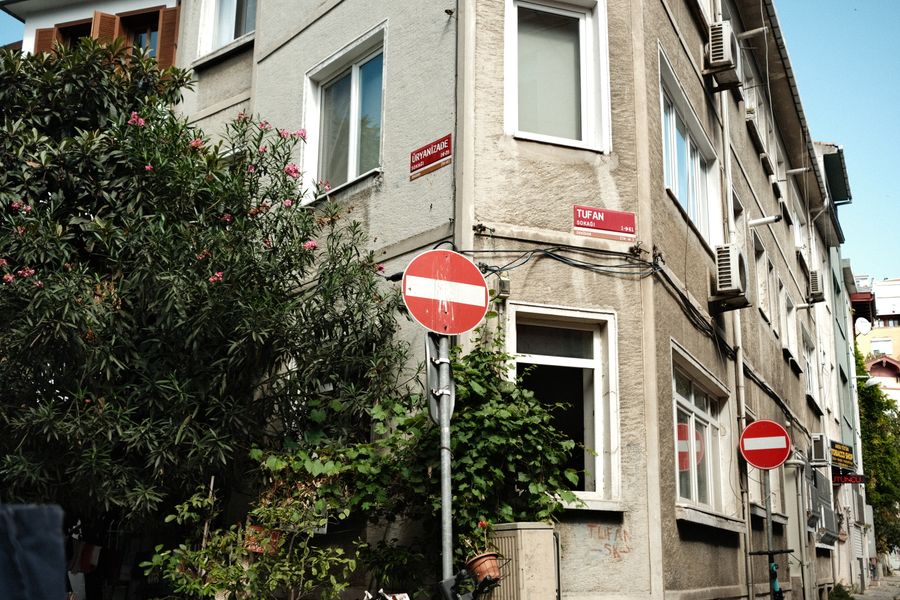
Almost nothing tangible, and that is the point. An honorary or commemorative name is symbolic. Your address does not change, your mail is unaffected, and mapping apps still route to the legal street name. The building at the corner keeps the same official number it always had. What changes is a sign and a bit of local meaning, which is exactly why honorary names are the easy, common choice for recognizing someone.
What a Legal Renaming Involves
A legal change is a different animal because it ripples outward. When a city considers actually renaming a street, it typically has to weigh the effect on everyone with an address on it. As the City of Portland’s street-renaming code illustrates, the process can require notifying affected property owners, a public review, and a full council vote before the official name changes. Only then does everyone’s address actually change with it.
The Rules and Conventions
Cities also set eligibility rules, and one comes up again and again: many jurisdictions reserve street honors, especially legal renamings, for people who have died, to avoid honoring someone whose reputation later shifts. Some cities carve out exceptions or waive the rule for specific cases, but the deceased-honoree convention is common. Beyond that, criteria often include a real connection to the area, community support, and sometimes a waiting period. The bar is intentionally higher for permanent changes than for a commemorative sign.
How a Proposal Becomes Official
The path usually starts local. A resident, community group, or council member proposes a name, and it lands in committee, often one dealing with transportation or public spaces. From there it needs a vote by the full city council, and for legal renamings, the added steps of notifying affected owners and updating records. A proposal sitting in committee is not a done deal; plenty are introduced and never pass. For a plain-language walkthrough of getting a street named after someone, this local explainer is a useful example. For more civic and local coverage, browse Visboo’s News section.
How to Propose a Street Name Yourself
If you want to honor someone with a street name, the practical steps are similar across most cities:
- Check your city’s rules first, especially whether the honoree must be deceased and what connection to the area is required.
- Decide whether you want an honorary sign, which is easier, or a full legal renaming, which is not.
- Gather community support, since council members respond to petitions and neighborhood backing.
- Contact your local council member or alderman, who typically introduces the ordinance that starts the process.
For more on how local rules and ordinances work, see Visboo’s Law section.
Frequently Asked Questions
Does an honorary street name change my address?
No. An honorary or commemorative designation adds a sign while the street keeps its legal name, so addresses, mail delivery, and mapping apps are all unaffected. Only a legal renaming changes official addresses.
What is the difference between honorary and legal renaming?
An honorary name is symbolic and adds a commemorative sign without changing the official name or any addresses. A legal renaming actually changes the street’s official name and every address on it, which requires a more extensive approval process.
Can a street be named after a living person?
Sometimes, but many cities reserve street honors for people who have died, to avoid future embarrassment. Some jurisdictions allow exceptions or waive the rule case by case, so it depends on local policy.
Who decides whether a street gets renamed?
The city council, usually after a proposal moves through a committee. Legal renamings add steps like notifying and sometimes surveying affected property owners before the council votes.
How can I get a street named after someone?
Check your city’s eligibility rules, decide between an honorary sign and a legal change, build community support, and work with your local council member to introduce the proposal. Honorary designations are far easier to secure than legal renamings.
What To Know
Next time a video claims a city “renamed” a street, the useful question is which kind. If addresses did not change and it is just a new sign, it is an honorary designation, symbolic and reversible. If the official name and everyone’s mail changed, that is a legal renaming, and it took a lot more than a viral moment to make it real. Knowing the difference is the quickest way to tell a genuine change from a good headline.