The scary version of the passkey story is that upgrading your phone wipes your logins. The measured version is calmer: for most people, passkeys now follow you to a new device automatically, and the real lockout risk lives in a few specific setups.
Passkeys went mainstream in 2026, and with them came a very reasonable worry: if my logins live on my phone, what happens when I replace it? The question shows up constantly in support forums, usually from someone staring at a brand-new handset. The honest answer requires separating what is actually measured from what gets repeated. Here is what the data shows, what it does not, and the handful of settings that decide whether a phone upgrade is a non-event or a lockout.
Bottom Line First
For the synced passkeys that most consumers use, upgrading your phone usually does not lock you out, because those passkeys back up to your Apple or Google account and reappear on the new device once you sign in. There is no authoritative published “lockout rate” for phone upgrades, so treat any exact percentage you see with suspicion. Real lockouts cluster in specific cases: device-bound passkeys that never synced, switching between Apple and Android, or having a single passkey with no backup sign-in method. The fix is prevention, and it takes about five minutes.
Table of Contents
The passkey numbers that actually are measured
Start with the solid ground. On World Passkey Day 2026, the FIDO Alliance reported that roughly 5 billion passkeys are now in use worldwide, drawing on a survey of 11,000 consumers across ten countries. In that data, 90% of people are aware of passkeys, 75% have enabled a passkey on at least one account, and 49% use them regularly when the option exists. On the site side, 48% of the top 100 websites now offer passkeys, more than double the 2022 figure. You can read the headline findings in the FIDO Alliance’s 2026 passkey report. Adoption, in other words, is well documented. What happens during a phone upgrade is where the numbers thin out.
Why there is no clean “lockout rate”
Here is the part most headlines skip: no authoritative body publishes a reliable rate for how often people get locked out of accounts after upgrading a phone. Passkeys are young, recovery works differently on every platform and every website, and the companies that could measure lockouts, the big platforms and individual services, do not release that data in a comparable way. Any article claiming a precise figure is almost certainly guessing or quoting a single vendor’s internal sample. A single percentage would tell you very little anyway. What matters is the mechanism: whether your specific passkeys are the kind that travel to a new phone, and whether you left yourself a backup way in. Those two answers decide your outcome.
What actually decides whether you get locked out
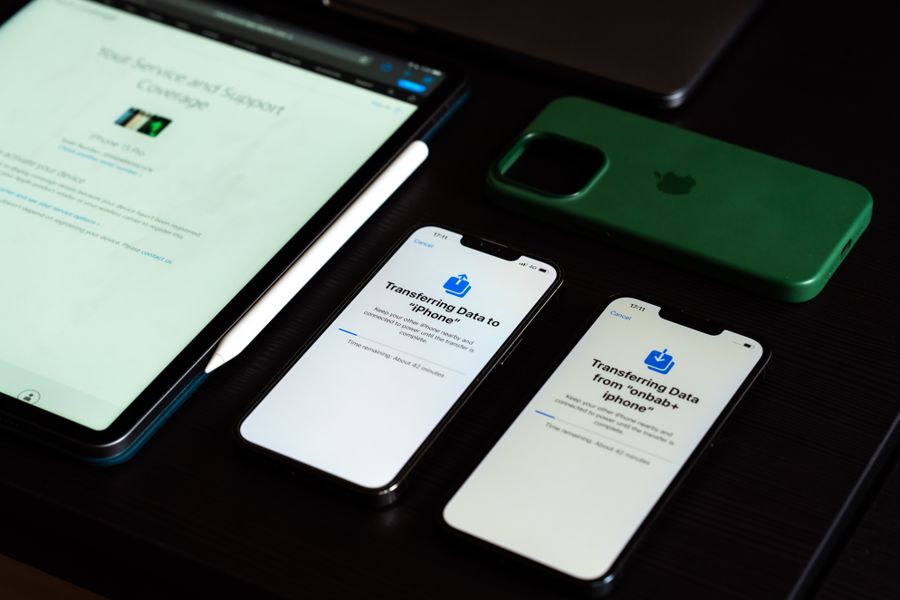
Passkeys come in two flavors, and the difference is everything on upgrade day. Synced passkeys, which are the default when you create one on a modern iPhone or Android, are backed up to your Apple Account through iCloud Keychain or to your Google Account through Google Password Manager. When you set up a new phone and sign into that same account, the passkeys come with it, as Apple describes in its overview of how passkeys sync and recover. Device-bound passkeys are the other kind: they live only on one device or a hardware security key and do not sync anywhere. If your only passkey for an account was device-bound and that device is gone, that is when a phone upgrade turns into a recovery process. Knowing which type you have is the single most useful thing you can check.
Where lockouts actually happen

The trouble concentrates in a few predictable situations. The first is switching ecosystems, going from an iPhone to an Android or the reverse, because synced passkeys live in Apple’s or Google’s vault and do not automatically hop between them, so you may need to re-register on the new platform. The second is a passkey that was device-bound and never had a synced copy or a backup method. The third, and the most common in practice, is having a single sign-in method: one passkey, no backup codes, no secondary device, and a recovery email or phone number you no longer control. Forum posts about being “locked out of my account because of passkeys and no backup codes” almost always trace back to that last scenario, not to passkeys failing on their own.
How to make a phone upgrade a non-event
Prevention is quick and it is the whole game. Spend five minutes before you switch phones and a lockout becomes very unlikely:
- Turn on cloud sync. Enable iCloud Keychain on iPhone or Google Password Manager on Android so your passkeys back up and restore automatically.
- Keep a second way in. For important accounts, save the backup or recovery codes offline and keep an authenticator app or a second passkey as a fallback.
- Register on two devices. Add a passkey to a tablet or laptop as well, so losing one device never removes your only key.
- Update recovery contacts. Make sure the recovery email and phone number on your key accounts are current before you upgrade.
- Do not wipe the old phone yet. Keep it accessible until you have confirmed you can sign in everywhere on the new one.
What To Know
- Synced passkeys, the default on modern phones, back up to Apple or Google and reappear on a new device automatically.
- No authoritative source publishes a real passkey lockout rate, so exact percentages are unreliable.
- Lockouts cluster in device-bound passkeys, iPhone-to-Android switches, and accounts with a single sign-in method.
- Turning on cloud sync and keeping one backup method prevents almost every upgrade-day lockout.
Frequently Asked Questions
Do passkeys transfer to a new phone?
Usually yes. Synced passkeys, which are the default on modern iPhones and Android phones, back up to your Apple Account or Google Account and automatically reappear on a new phone once you sign into that account. Device-bound passkeys, which live only on one device or a hardware key, do not transfer.
How often do passkeys lock people out after a phone upgrade?
There is no reliable published figure, because platforms and websites do not release comparable recovery data and passkeys are still new. For most people using synced passkeys, an upgrade does not cause a lockout. When lockouts do happen, they usually involve device-bound passkeys, an ecosystem switch, or having no backup sign-in method.
What happens to my passkeys if I switch from iPhone to Android?
They do not move automatically, because synced passkeys are stored in Apple’s or Google’s separate vaults. You will typically need to sign into each account another way and register a new passkey on the new platform. This is one of the most common reasons people hit a passkey snag, so plan for it when changing ecosystems.
Can I get locked out of an account permanently because of a passkey?
It is uncommon if you keep a backup method. Most services offer account recovery through a secondary email, phone, backup codes, or another registered device. Permanent lockouts generally require losing your only passkey and every recovery option at once, which is exactly what keeping a second sign-in method prevents.
What is the safest way to set up passkeys before upgrading my phone?
Turn on iCloud Keychain or Google Password Manager so passkeys sync, register a passkey on a second device like a laptop or tablet, save each important account’s backup codes offline, and confirm your recovery email and phone are current. Keep your old phone until you have verified sign-in on the new one.
Are passkeys still worth using given the lockout risk?
For most people, yes. Passkeys resist phishing and credential theft far better than passwords, and the upgrade risk is manageable with basic backups. The lockout stories usually come from having a single point of failure, which is a setup problem you can solve, rather than a flaw in passkeys themselves.
What To Do Next
Before your next phone upgrade, open your phone’s settings and confirm passkey sync is on, then add a backup method to your most important accounts and save their recovery codes somewhere offline. If you are on iPhone and passkeys are already giving you trouble, our guide to iPhone passkey login problems walks through the common fixes. For more on accounts and device security, browse Visboo’s Technology section.