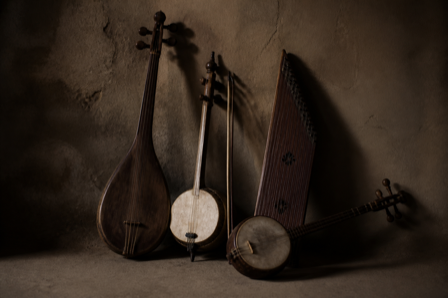
A pile of burning instruments is a stark image, and it is meant to be. When Taliban authorities set fire to nearly 200 seized musical instruments in Logar province, the act was as much a message as a policy: in their Afghanistan, music itself is treated as contraband.
The Logar burning is not an isolated event but the latest chapter in a sustained campaign against music that has unfolded since the Taliban returned to power in 2021. Reported by Afghan and international outlets, it fits a pattern of confiscations, burnings, and detentions across multiple provinces. Here is what happened, the wider context, and why it resonates far beyond one province.
The Short Version
Taliban authorities in Afghanistan’s eastern Logar province burned nearly 200 musical instruments that had been collected across the province over several months, describing them as sources of moral corruption contrary to their interpretation of Islamic law, according to Afghan news outlets. The burning is part of a broader, years-long crackdown on music since 2021, which has included similar destruction in other provinces and detentions of people playing music at private gatherings. The incident has drawn international criticism as an attack on cultural expression. These details are attributed to the cited reporting, and the Taliban’s rationale is presented as its stated position.
What Happened in Logar
Taliban authorities set fire to nearly 200 musical instruments in Logar after gathering them from across the province over a period of months, describing the items as contrary to Islamic and Afghan values, as KabulNow reported. Officials framed playing instruments as an illegal act. The framing here is the Taliban’s own stated justification, reported by the outlet, not an endorsement of that view.
A Pattern, Not a One-Off
The Logar burning follows a clear trajectory. Similar destructions have taken place in other provinces, with reports of hundreds of instruments burned in Khost, Parwan, and Laghman over the course of the year, and authorities have detained people for playing music at private events, as Amu TV and other outlets have documented. Taken together, the incidents describe a systematic effort rather than scattered local decisions.
The Wider Crackdown Since 2021
Music has been a recurring target since the Taliban’s return to power. The campaign extends beyond instruments to raids on celebrations and the detention of musicians, part of a broader tightening of rules on cultural and personal expression enforced by morality authorities, as coverage of the ongoing cultural crackdown has detailed. For a country with a deep musical heritage, the cumulative effect is a public silencing of an art form.
Why It Resonates Beyond Afghanistan
The destruction of instruments carries symbolic weight that travels. Music is woven into weddings, celebrations, and cultural identity, so burning instruments reads internationally as an attack on ordinary life rather than a mere policy. Human-rights advocates and cultural organizations have criticized the campaign as a suppression of expression:
| What is affected | Why it matters |
|---|---|
| Musicians’ livelihoods | Playing music becomes a punishable act |
| Cultural heritage | A long musical tradition is pushed underground |
| Everyday celebrations | Weddings and gatherings lose music |
| Freedom of expression | Advocates frame it as a rights issue |
How the World Is Responding
International reaction has centered on condemnation from rights groups and cultural bodies, who characterize the burnings as part of a pattern of restricting fundamental freedoms. Concrete leverage is limited, given the realities of engaging with the Taliban administration, but documentation and public attention keep the issue visible. Afghan musicians in exile have also worked to preserve the country’s musical traditions from abroad.
What It Signals
The Logar burning is a small event with a large meaning. It signals that the campaign against music is continuing and expanding province by province, and that cultural expression remains a front line in how the Taliban governs. For a wider audience, it is a reminder of how quickly an everyday freedom, hearing and making music, can be criminalized. For more world coverage, browse Visboo’s News section and our Entertainment section.
Frequently Asked Questions
What happened in Logar province?
Taliban authorities burned nearly 200 musical instruments that had been collected across the province over several months, describing them as contrary to Islamic and Afghan values. The account is attributed to Afghan news outlets, and the justification is the Taliban’s stated position.
Is this the only such incident?
No. It follows similar destructions reported in other provinces, including Khost, Parwan, and Laghman, along with detentions of people playing music at private gatherings. It is part of a wider pattern rather than a single event.
Why does the Taliban target music?
Officials have described music and instruments as sources of moral corruption contrary to their interpretation of Islamic law. That is their stated rationale, reported by news outlets, and it reflects a broader crackdown on cultural and personal expression since 2021.
How has the world responded?
Rights groups and cultural organizations have condemned the campaign as a suppression of expression. Practical leverage is limited, but documentation and public attention keep the issue visible, and Afghan musicians abroad work to preserve the tradition.
What does it mean for Afghan musicians?
It makes practicing their art dangerous and, in effect, criminalized within the country, threatening livelihoods and a deep cultural heritage. Many musicians have left or work quietly, while the public presence of music continues to shrink.
What This Means
Burning instruments is designed to send a message, and it does, though perhaps a different one than intended. Beyond the immediate loss, the Logar fire underscores how central control of culture has become to the Taliban’s rule, and how much of ordinary Afghan life is caught in it. The instruments can be replaced; the freedom to play them openly is the harder thing to restore. For continued coverage, follow our News section.