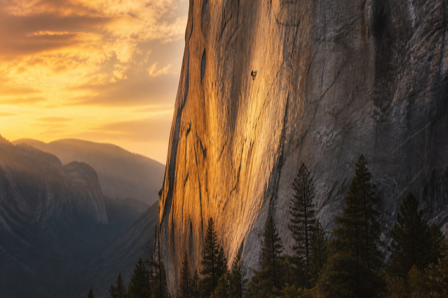
A single Yosemite climbing clip, a figure hanging thousands of feet up a golden granite wall, can rack up millions of views and inspire a wave of road trips. What the footage never shows is the margin for error, the falling rock, or the weather that can turn a peak-season visit dangerous.
As striking climbing videos push more visitors toward Yosemite, and van-life culture funnels them in during peak season, the gap between the highlight reel and the reality is worth closing. The park is genuinely spectacular and genuinely hazardous, and the official guidance exists for good reasons. Here is the safety context the clips leave out, for climbers and spectators alike.
The Short Version
Yosemite’s cliffs are beautiful and dangerous, with rockfall a constant hazard driven by natural freeze-thaw cycles. Park guidance urges visitors to avoid lingering directly below climbers on walls like El Capitan, to travel in groups, and to heed warning signs. Fall brings thinner crowds but also early snow and road closures, notably Tioga Road typically closing in late October, which affects van-life access and campsites. Viral climbing clips make it look effortless and safe; the reality involves serious risk, changing weather, and rules meant to keep both climbers and onlookers out of harm’s way.
The Hazard the Videos Hide: Rockfall
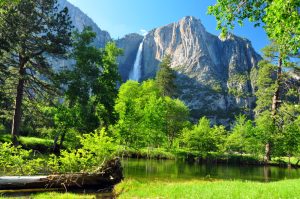
The most underappreciated danger is not falling off; it is rock falling on you. Yosemite’s granite sheds rock daily as freeze-thaw cycles loosen it, making rockfall a serious and unpredictable hazard, which is why the National Park Service advises visitors not to hike directly below climbers and to heed warning signs, per its climbing safety guidance. Spectators drawn in by the clips often do not realize that standing beneath a wall to watch is itself a risk.
Why Peak Season Adds Complications
Timing changes the risk profile. Fall offers fewer crowds and dramatic light, which is exactly what draws the videographers, but it also brings the first snow and shifting conditions. Tioga Road typically closes in late October, and snow can arrive by November, both of which affect access to climbing areas, campsites, and the van-life routes that funnel visitors in, as fall-season guides like this Yosemite fall overview note. A trip planned around a summer clip can meet very different autumn conditions.
What the Park Actually Advises
The official guidance is practical and worth following whether you climb or just watch:
| Guidance | Why it matters |
|---|---|
| Do not linger below climbers | Rockfall and dropped gear are real dangers |
| Travel in groups | Help is faster if something goes wrong |
| Heed warning and closure signs | Closures reflect current, specific hazards |
| Check conditions before you go | Weather and access change quickly in fall |
The Van-Life Factor
Van-life culture has made spontaneous Yosemite trips easier, but spontaneity and alpine conditions do not always mix. Peak-season parking and campsites fill, and an early storm or a closed road can strand an unprepared traveler. If you are rolling in to chase the same shots you saw online, plan for full campgrounds, variable weather, and the possibility that the route you wanted is closed. Preparation is the difference between an epic trip and a stranded one.
For Aspiring Climbers Specifically
If a clip has you wanting to climb rather than watch, respect the gap between inspiration and readiness. Big-wall and even moderate Yosemite climbing demands real skill, conditioning, and often local knowledge, and the consequences of being underprepared are severe. Building experience on smaller, appropriate routes, climbing with qualified partners, and studying current conditions and regulations is how people safely work toward the walls the videos glamorize. The mountain does not grade on enthusiasm.
What It Means for Visitors
You do not have to be a climber to enjoy Yosemite safely; you just have to take the hazards as seriously as the scenery. Watch from safe, designated spots rather than beneath active walls, check conditions and closures before arriving, and plan for peak-season crowds and fall weather. For more travel and outdoor coverage, browse Visboo’s Travel section and our News hub.
Frequently Asked Questions
What is the biggest safety risk at Yosemite’s climbing walls?
Rockfall. Yosemite’s granite sheds rock as freeze-thaw cycles loosen it, making falling rock an unpredictable danger. The park advises visitors to avoid lingering directly below climbers and to heed warning signs.
Is fall a good time to visit for climbing?
It offers fewer crowds and beautiful light, but it also brings early snow and road closures. Tioga Road typically closes in late October, which can affect access to climbing areas, campsites, and van-life routes, so conditions must be checked closely.
Is it safe to watch climbers from below?
Not directly beneath them. Standing under an active wall exposes you to rockfall and dropped gear. The safer approach is to watch from designated, established viewpoints rather than at the base of a climb.
What should van-lifers know before heading in?
Expect full campgrounds and parking in peak season, plan for variable fall weather and possible road closures, and have a backup plan. Spontaneous trips can go wrong fast if an early storm or closure strands an unprepared traveler.
I got inspired by a clip, how do I start climbing safely?
Build skills gradually on appropriate routes, climb with qualified partners, and study current conditions and regulations. Yosemite’s harder walls demand real experience and conditioning, and being underprepared carries serious consequences.
What This Means
The viral clip is the reward at the end of a lot of preparation the camera never captures. Enjoy the spectacle, and let it inspire a trip, but treat Yosemite as the serious mountain environment it is: rockfall is real, fall weather is fickle, and the park’s rules are the distilled lessons of people who learned the hard way. Plan accordingly, and the only thing you will bring home is the view. For specifics, always check current NPS conditions.