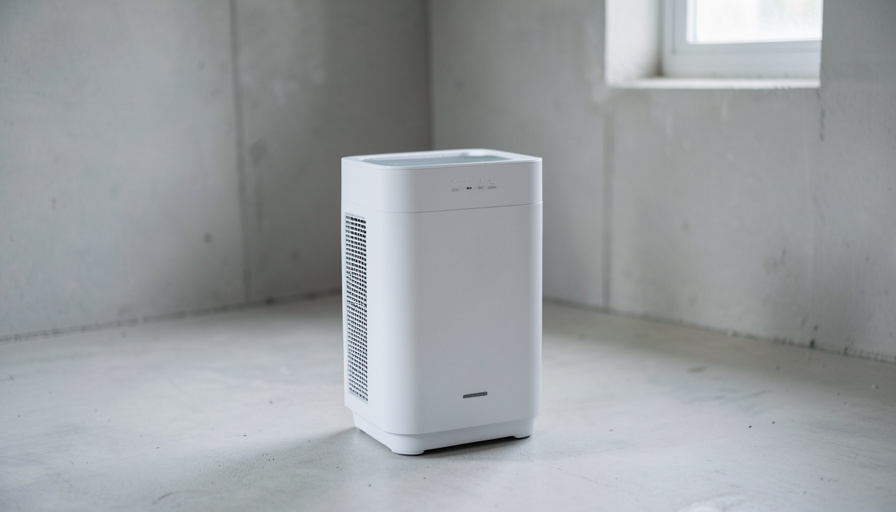
Your dehumidifier runs all day, the tank fills up, and yet you walk downstairs and there it is again: that damp, old-gym-bag smell. It feels like the machine is failing, but it almost never is. A musty basement with a working dehumidifier is usually a setup or habit problem, a target set too high, a unit too small, air that never reaches the damp corner, or mold that was already there and needs cleaning, not just drying. Here are the 12 mistakes that keep a basement musty, and the fix for each one.
Work through these in order. The first few are the ones most people get wrong, and fixing them clears the majority of stubborn smells without buying anything new.

1. You set the humidity target too high
The single most common mistake is aiming for a number that still lets mold thrive. Mold and mildew grow happily above about 60 percent humidity, so setting your dehumidifier to 55 or 60 does almost nothing to stop the smell. Aim for 45 to 50 percent, which is the range that keeps mold from getting a foothold. The EPA’s guidance on mold and moisture puts the safe indoor zone at 30 to 50 percent. Drop your setting into that band and give it a few days before you judge the result.
2. Your unit is too small for the space
A dehumidifier is rated in pints of water removed per day, and a small unit in a big or damp basement runs constantly while barely keeping up. If yours never seems to cycle off, it is probably undersized. Match the capacity to both the square footage and how wet the space is: a large or persistently damp basement often needs a 50-pint unit or bigger. An undersized machine is not broken, it is outmatched, and no setting will fix that.
3. You run it part-time or switch it off too soon
A basement that has been damp for months does not dry out in an afternoon. Moisture is held in the walls, the floor, and everything stored down there, and it keeps releasing into the air. If you run the dehumidifier for a few hours and shut it off, the humidity climbs right back. Let it run continuously for at least a week when you are drying out a musty space, until the air genuinely feels dry, then let it maintain your target from there.
4. You are still emptying a bucket by hand
Most dehumidifiers shut off automatically when the tank fills, and if you are not home to empty it, the machine sits idle for hours while the air gets damp again. That stop-start pattern never lets the basement dry. Almost every unit has a port for a drain hose, so run one to a floor drain, a sump pit, or a sink, and set the dehumidifier to continuous drainage. Now it runs around the clock without waiting on you.
5. You crowded it against a wall
A dehumidifier pulls air in and pushes dry air out, and it needs room to do both. Shoved into a corner or boxed in by storage, it recycles the same pocket of air and leaves the rest of the room damp. Give it clearance on all sides, and place it somewhere central rather than tucked against a far wall. Good airflow around the unit is the difference between drying the whole basement and drying one square yard of it.

6. You never clean the dehumidifier itself
The machine meant to fix the smell can become the source of it. Standing water in the tank grows a slimy film, and a clogged filter or dirty coil holds damp grime, so the unit blows out musty air of its own. Empty and rinse the tank regularly even if you use a drain hose, wash or replace the filter on the schedule in the manual, and wipe the coils when they look dusty. A clean dehumidifier is the only kind that helps.
7. You expect it to erase mold that is already there
This is the misunderstanding behind most disappointment. The musty smell comes from compounds that active mold and mildew release, not from the humidity itself. A dehumidifier lowers the moisture that feeds new growth, but it does nothing to colonies that already exist, and it will not remove the odor they are still producing. You have to clean the existing mold off surfaces, then let the dry air keep it from coming back. Drying without cleaning leaves the smell in place.

8. You ignore the damp pockets the airflow never reaches
Your dehumidifier can hold the open room at a tidy 45 percent while hidden spots stay soaked. Under wall-to-wall carpet, behind a heavy couch, or beneath a cardboard box sitting on the cold slab, the micro-climate can reach 80 or 90 percent, and mold grows there no matter what the room reads. Pull furniture a few inches off the walls, lift storage onto shelves or pallets, and make sure air can move through the whole space, not just the middle of the floor.
9. You store damp, porous junk down there
Basements collect the things that hold moisture and odor the worst: old cardboard, forgotten carpet, upholstered furniture, stacks of paper and fabric. These soak up humidity and hang onto a musty smell even after the air dries out, so they keep the basement smelling bad and slow the whole space down. Clear out what you do not need, move keepers into sealed plastic bins instead of boxes, and keep everything off the bare concrete.
10. You never fixed the water getting in
A dehumidifier treats the symptom, not the leak. If water keeps entering through the foundation, the machine is fighting a losing battle and the smell never fully clears. Walk the outside first: clean the gutters, extend the downspouts several feet from the house, and slope the soil so it drains away from the walls. Inside, look for foundation cracks and plumbing drips. Cutting off the source is what finally lets the dehumidifier win.

11. You run it in a cold basement without a low-temp model
A standard dehumidifier pulls water out by chilling a coil, and in a cold basement that coil can frost over, at which point the unit stops removing much moisture even though it is running. If your basement sits below about 65 degrees, look for a model rated for low temperatures or a desiccant type, which keeps working in the cold. Running a warm-weather unit in a chilly basement is a quiet reason the air never dries.
12. You are guessing instead of measuring
Without a number, you are flying blind. A cheap hygrometer, the little gauge that reads humidity, tells you whether the dehumidifier is hitting your target and lets you spot the damp corners the machine misses. Put one in the open room and move a second around to the spots that worry you. Measuring turns “it still smells” into “the far corner is at 68 percent,” which points you straight at the problem instead of leaving you to guess.
This is general home-maintenance guidance. Extensive or recurring mold, water that keeps entering, or anything involving wiring and standing water can be a health or safety issue, so bring in a mold-remediation or foundation professional when the problem is large or does not clear after you address these basics.
How We Made This List
We focused on the reasons a working dehumidifier still leaves a basement musty, drawing on how moisture, airflow, and mold behave in real basements rather than on any one product. We grouped the mistakes by what a homeowner can check without special tools, starting with settings and habits, then airflow and storage, then the water source and the machine itself. Each entry names the fix, and we flag the point where the job stops being a DIY setting change and becomes a cleaning or repair task.
What To Know
- Set the dehumidifier to 45 to 50 percent; above 60 percent, mold keeps growing and smelling.
- The musty smell comes from existing mold, which you must clean; drying alone will not remove it.
- Run it continuously with a drain hose, give it airflow, and size it to the space.
- Damp pockets under carpet, furniture, and boxes stay wet even when the room reads dry.
- Fix the water getting in, and use a hygrometer so you are measuring, not guessing.
Frequently Asked Questions
Why does my basement still smell musty if the dehumidifier is running?
Usually because the smell comes from mold that is already there, and a dehumidifier only lowers humidity to stop new growth. It does not clean existing colonies or remove the odor they produce. Check that your target is 45 to 50 percent, look for damp pockets the airflow misses, and clean any visible mold. If the basement has been damp a long time, it also needs days of continuous running to fully dry out.
What humidity level should I set my basement dehumidifier to?
Aim for 45 to 50 percent. That range sits below the roughly 60 percent where mold and mildew thrive, and within the 30 to 50 percent band health agencies recommend for indoor air. Setting it higher saves a little energy but lets the musty smell persist. Use a hygrometer to confirm the room is holding your target, since a dehumidifier’s own readout is not always accurate across the whole space.
Can a dehumidifier remove a musty smell on its own?
Only partly. It removes the damp-air component and prevents new mold, which helps a lot in a space that is damp but not yet moldy. If mold is already growing, the dehumidifier will not erase the smell, because the odor is coming from the existing colonies. You need to clean those surfaces, remove any porous items holding the smell, and then let the dry air keep the problem from returning.
Should I run my basement dehumidifier all the time?
When you are first drying out a musty basement, yes, run it continuously for a week or more with a drain hose so it never stops. Once the space is dry and holding your target, you can let it maintain that level, cycling on and off as needed. The mistake is short, occasional runs, which never overcome the moisture stored in the walls, floor, and belongings.
Why is my dehumidifier not collecting water in a cold basement?
Standard dehumidifiers chill a coil to pull moisture out, and in a cold basement that coil can frost over and stop working, even while the unit runs. If your basement is below about 65 degrees, use a model rated for low temperatures or a desiccant dehumidifier, which keeps removing moisture in the cold. A warm-weather unit in a chilly basement is a common reason the air stays damp.
What To Do Next
Start by dropping your setting to 45 to 50 percent, adding a drain hose so it runs nonstop, and putting a hygrometer in the room to see the real number. Then clean any visible mold, clear damp storage off the floor, and check the gutters and grading outside. If the smell holds after all of that, the water source or hidden mold likely needs a pro. For more on keeping a home dry and fresh, browse the home improvement section, and the lifestyle section has more everyday fixes.