Open any travel feed and a strange déjà vu sets in: the same infinity pool, the same clifftop pose, the same “secret” cafe that a million people already know. Modern travel has started to look suspiciously uniform, and in 2026 a growing number of travelers are actively rebelling against it.
The complaint that everywhere looks the same is more than idle grumbling; it reflects how social media funnels people toward a shrinking set of photogenic spots. Now the pendulum is swinging, with travelers and local operators pushing toward lesser-known places that still feel specific. Here is what is driving the sameness, why the backlash is happening now, and how to travel more distinctively.
The Short Version
Social media has concentrated travel around a small set of “Instagram hotspots,” producing feeds full of near-identical photos and crowds chasing the same shots. A 2026 backlash is pushing travelers toward lesser-known alternatives, second cities and quieter regions that offer comparable beauty without the crush, such as trading a famous capital for a nearby overlooked town. Local operators are leaning in, pitching more regional, distinctive experiences. The shift is partly aesthetic fatigue and partly a reaction to overtourism, and it points toward a more curious, less checklist-driven style of travel.
Why Everything Started Looking the Same
The mechanism is a feedback loop. A striking photo of a place gets attention, which sends more people to recreate it, which produces more near-identical images, which draws still more visitors, and so on. The result, as critics of Instagram’s effect on travel have noted, is a homogenized highlight reel where destinations blur together and the same handful of spots dominate. The platform rewards familiarity, and travel has quietly optimized itself to match.
Why the Backlash Is Happening Now
Two forces converged. First, aesthetic fatigue: when every feed shows the same scenes, the novelty that made them appealing wears off. Second, the crowds themselves, overtourism has made the marquee spots less pleasant to actually visit. So travelers increasingly want places that feel discovered rather than downloaded, and they are willing to skip the famous shot to get there.
Where People Are Going Instead
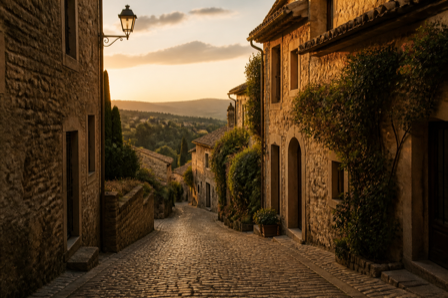
The shift is toward “dupe” destinations and quieter regions that deliver comparable rewards with fewer crowds. Coverage of what travelers will chase in 2026 points to swaps like a smaller historic city in place of an overrun capital, and emerging regions offering value and calm. The pattern looks like this:
| Instead of the overrun classic | Travelers are choosing |
|---|---|
| A crowded famous capital | A nearby overlooked second city |
| The saturated Mediterranean staple | Emerging, better-value regions |
| The viral photo spot | Quieter places that feel discovered |
| The checklist itinerary | Slower, curiosity-led routes |
What Local Operators Are Doing
The travel industry is doing more than reacting; it is steering. Local tour operators and destinations are pitching more regional, off-the-beaten-path experiences, sensing demand for something that feels specific to a place rather than interchangeable. That is good news for smaller communities that can benefit from visitors, and for travelers who want a trip that does not look identical to everyone else’s.
How to Travel More Distinctively
You do not need to trek somewhere remote to escape the sameness. A few habits help: pick the less-famous neighbor of a popular destination, build in unstructured time to wander rather than only hitting landmarks, seek out local operators and regional experiences, and resist planning a trip purely around photos you have already seen. The goal is a trip shaped by curiosity instead of a feed.
What It Means for Travel
The sameness backlash is really a course correction toward what made travel appealing in the first place: encountering something you had not already seen a hundred times. It also spreads tourism’s benefits and pressures more evenly, easing strain on overrun spots. For more travel ideas, browse Visboo’s Travel section and our Lifestyle coverage.
Frequently Asked Questions
Why do travel photos all look the same now?
Because social media concentrates attention on a few photogenic spots. A striking image draws more visitors who recreate it, producing waves of near-identical photos and funneling crowds toward the same locations.
What is the 2026 travel backlash?
It is a growing preference for lesser-known destinations over saturated hotspots. Travelers are swapping crowded, over-photographed places for quieter second cities and emerging regions that feel more distinctive and less crowded.
What are “dupe” destinations?
They are lesser-known places that offer a similar experience to a famous destination without the crowds, such as choosing a smaller historic city near an overrun capital. The idea is comparable rewards with more calm and character.
Is this related to overtourism?
Yes, partly. Overcrowding at marquee spots has made them less enjoyable, which pushes travelers toward alternatives. The backlash is both aesthetic fatigue with sameness and a practical reaction to crowds.
How can I avoid a cookie-cutter trip?
Choose the less-famous neighbor of a popular spot, leave time to wander, seek local and regional experiences, and avoid planning solely around photos you have already seen. Let curiosity, not a feed, set the itinerary.
What This Means
The irony of endlessly shareable travel is that it made travel look less worth sharing. The 2026 shift toward the overlooked and the specific is a healthy correction, better for travelers chasing something real and for places that rarely make the feed. Skip the famous shot once, and you may find the trip you actually remember. For more, keep an eye on our Travel coverage.