A PDF pay stub emailed straight from your payroll system is now standard proof of income for most rentals. The catch is that landlords are also more suspicious than ever, so how you present it matters as much as the number on it.
Renting used to mean printing a stack of paper stubs and handing them over in person. In 2026, almost every application is online, and landlords and screening platforms expect you to upload documents rather than deliver them. That shift makes a digital pay stub the format most landlords now expect. It also means your file lands in a system built to spot fakes, so a legitimate stub that looks off can still raise questions. Here is exactly how digital pay stubs work for rentals, and how to submit yours so it clears without friction.
The Short Answer
Yes. A digital pay stub is a valid way to verify income for a rental application, and most landlords and online screening platforms accept a PDF or clear upload without issue. To be accepted smoothly, it should be recent, show your employer and year-to-date earnings, and match the deposits on your bank statement. Screening tools increasingly cross-check documents and can even pull verified income straight from your bank, so a genuine, unaltered stub that lines up with your other records is what gets you approved.
Table of Contents
Yes, digital pay stubs are the norm now
The days of a landlord insisting on original paper are mostly gone. Online rental platforms are built around uploads, and a pay stub downloaded as a PDF from your employer’s payroll portal is exactly what they are designed to receive. Whether you rent from a large property manager using a screening service or an individual owner collecting documents by email, a digital stub is standard. The format itself rarely matters anymore. What a landlord actually cares about is whether the income is real, current, and enough to cover the rent, usually around three times the monthly rent in gross pay. A clean digital stub answers all three faster than a photocopy ever did.
What makes a digital pay stub acceptable
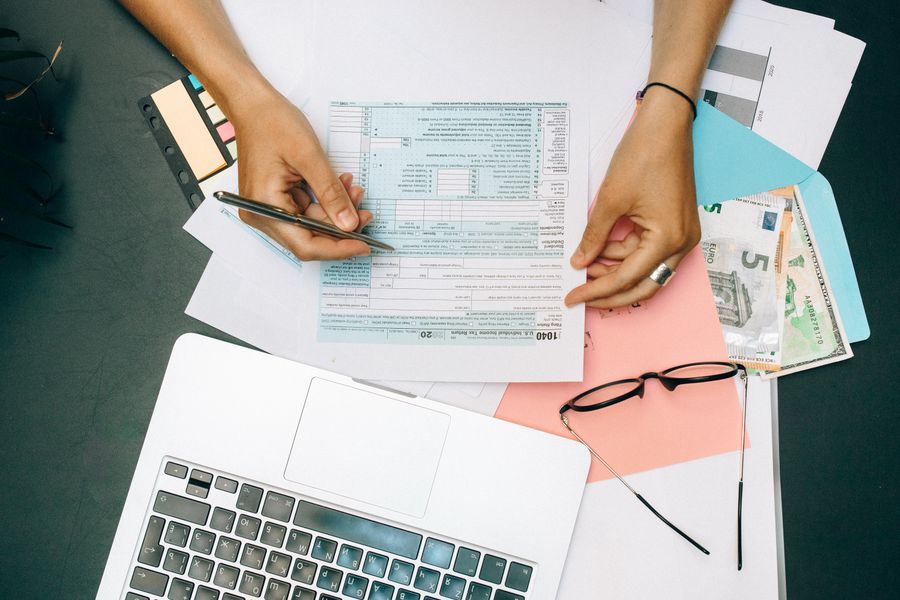
A stub that gets approved without a second look shares a few traits. It is recent, ideally from your two most current pay periods, so it reflects your income right now. It names your employer and includes the pay period, your gross and net pay, and year-to-date totals, since those let a landlord confirm the income is steady rather than a one-off. The math adds up, with deductions and net pay that actually reconcile. Most importantly, it matches reality: the net pay should line up with the deposits showing in your bank statement. When those pieces agree, verification is quick. Landlords often ask for two recent stubs precisely so they can check that your pay is consistent.
What can get a digital stub flagged
The same shift that made digital stubs convenient also made document fraud easier, so screening systems and landlords now look harder. Rental application fraud is a real and growing problem, and falsified pay stubs are one of the most common forms of it, which is why a legitimate stub can still get scrutinized. The things that draw suspicion are usually mechanical: numbers that do not add up, year-to-date totals that are inconsistent with the pay rate, mismatched fonts or spacing that suggest editing, or a document whose figures do not match the deposits in your bank statement. Blurry screenshots and heavily edited PDFs invite extra questions too. None of this is a problem when your stub is genuine and you submit it cleanly, but it explains why landlords may ask for a bank statement alongside it.
How to submit a digital pay stub the right way

Presentation makes a real difference. Download the stub as an official PDF directly from your payroll provider, such as ADP, Gusto, Workday, or your employer’s portal, rather than photographing a screen, since an original file looks more credible and is easier for a system to read. Send the two most recent pay periods unless the landlord asks for more. If you want to protect sensitive data, it is reasonable to redact the full Social Security number, leaving the last four digits, but do not obscure your name, employer, dates, or the pay figures, because blacking those out looks evasive. Upload through the landlord’s official application portal when one exists rather than emailing files around. And be ready with a recent bank statement, since offering one alongside the stub speeds up verification and signals you have nothing to hide.
What to use if you do not have a standard pay stub
Plenty of people cannot produce a typical stub, and landlords deal with this constantly. If you are self-employed, freelance, or paid on 1099, the standard substitutes are your most recent tax return, bank statements showing steady deposits, and 1099 forms or an accountant’s letter. Salaried workers starting a new job can use a signed offer letter stating their salary. Increasingly, screening platforms also offer bank-linked income verification, where you securely connect your bank so the system confirms your deposits directly, which can be faster and more trusted than any document. If your income is thin on paper, a guarantor or co-signer, a larger deposit, or a few months of prepaid rent can also reassure a hesitant landlord.
This article is general information, not financial or legal advice. Rental screening requirements, acceptable documents, and tenant rights vary by landlord, platform, and location. Confirm exactly what a specific landlord or property manager requires, and never share more personal or financial information than an application legitimately needs.
What To Know
- A digital PDF pay stub is standard, accepted proof of income for most rental applications in 2026.
- To pass smoothly, it should be recent, show employer and year-to-date pay, and match your bank deposits.
- Download an official PDF from payroll rather than sending a screenshot, and offer a bank statement alongside it.
- No traditional stub? Tax returns, bank statements, 1099s, an offer letter, or bank-linked verification all work.
Frequently Asked Questions
Do landlords accept digital pay stubs for a rental application?
Yes. Most landlords and online screening platforms accept a digital pay stub, usually as a PDF upload, and many now prefer it because applications are handled online. To be accepted without delay, the stub should be recent, list your employer and year-to-date earnings, and match the deposits on your bank statement.
Is a screenshot of my pay stub good enough?
It can be, but an official PDF is better. A clear screenshot is usually accepted, yet a downloaded PDF straight from your payroll portal looks more credible, is easier for screening systems to read, and is less likely to be questioned. If you only have a screenshot, make sure it is legible and shows all the key details.
How many pay stubs do I need for a rental application?
Two recent ones is the common request, since a landlord wants to confirm your income is steady rather than a single unusual paycheck. Some accept one, and others ask for a month’s worth. Check the specific application, and have your two most recent pay periods ready as a default.
Should I redact my Social Security number on a pay stub?
It is reasonable to hide most of your Social Security number, leaving the last four digits, to protect against identity theft. Do not black out your name, employer, pay dates, or the income figures, because obscuring those makes the document look altered and can get it rejected. When possible, upload through an official, secure portal.
What if I am self-employed and have no pay stub?
Use alternatives that landlords widely accept: your most recent tax return, bank statements showing regular deposits, 1099 forms, or a letter from your accountant. Bank-linked income verification through a screening platform is another strong option. A guarantor, larger deposit, or prepaid rent can further reassure a landlord if your documented income looks borderline.
Can a landlord tell if a pay stub is fake?
Often, yes. Landlords and screening tools check whether the math adds up, whether year-to-date totals are consistent, and whether the net pay matches your bank deposits, and some use software that flags edited documents. Genuine stubs pass these checks easily, which is why submitting a real, unaltered stub with a matching bank statement is the simplest path to approval.
What To Do Next
Before you apply, download your two most recent pay stubs as PDFs from your payroll portal, pull a current bank statement, and confirm the net pay and deposits match. Redact only the bulk of your Social Security number, upload through the official application, and offer the bank statement upfront. While you are renting, stay alert to fraud on the other side too, since the FTC warns about fake rental listings that target applicants. For more renting guidance, see our guide to renting with less-than-perfect credit, and browse Visboo’s Family & Personal section.