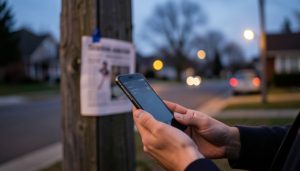
A cat wanders home, and something is wrong. That is how these stories usually start: not with a witness or a suspect, but with a frightened animal and a family suddenly facing an emergency. Linny’s case is one of several this year, and it is worth telling for what it can teach any pet owner.
In early September 2026, a family cat named Linny returned home covered in blood after being hit at close range with an air rifle. What followed, scans, an emergency operation, and a wave of community support, is a hard but instructive story. Alongside it sits at least one other recent case, and together they point to something practical every owner can take away. Here is what happened and what to do if you ever face the same shock.
The Short Version
Linny, a family cat in England, came home on September 7, 2026 with a serious injury after being shot with an air rifle, and his family was warned the emergency surgery to remove the pellet was risky, with lead poisoning a danger if it stayed. They refused to give up on him and their community rallied, with a fundraiser quickly surpassing its goal, and the family later shared the relief that Linny came through the surgery, with the pellet removed, and was recovering. A separate case in Oxfordshire the same summer, a cat named Rosie, ended with the pellet removed and the animal recovering with ongoing care. Air-weapon attacks on pets are illegal, and knowing how to respond, get to a vet fast and report it, matters more than most owners realize until it happens.
What Happened to Linny
According to his family’s account on their recovery fundraiser, Linny came home bleeding after being hit nearly point-blank with an air rifle. He was x-rayed, then taken to a better-equipped veterinary facility for an MRI and surgery to remove the pellet. The family was told he might not survive the operation, and that a pellet left in place risked fatal lead poisoning. They chose to fight for him, and donations poured in fast enough to pass the fund’s target. In a follow-up, the family shared that the operation succeeded, the pellet was removed, and Linny was recovering, back to purring and seeking attention. Even through the ordeal, his family said, the vets remarked on how friendly he remained.
It Is Not an Isolated Case
Linny’s story is not unique, which is part of why it resonates. In Oxfordshire earlier the same summer, a cat named Rosie came home staggering after appearing healthy that morning; x-rays found an air-gun pellet lodged in her neck. In her case the pellet was removed and she survived, though she needed ongoing treatment, and an RSPCA inspector who called it a terrifying ordeal appealed for any information, as reported by Yahoo News. Two cases in one region in one season is a reminder that this happens more often than headlines suggest.
Why This Is a Crime, Not a Prank
It bears saying plainly: shooting an animal with an air weapon is not mischief, it is an offense. Deliberately causing an animal unnecessary suffering is illegal under animal-welfare law, and cases are investigated by the RSPCA and police, which is why appeals for witnesses and doorbell or CCTV footage are common. Treating these incidents as serious crimes, rather than shrugging them off, is what helps identify whoever is responsible.
What to Do If Your Pet Is Shot
If a pet comes home injured and you suspect an air weapon, quick, calm action gives the best outcome. General guidance from veterinary sources, including advice on what to do if a cat is shot, points to a clear sequence:
| Step | Why it matters |
|---|---|
| Get to a vet immediately | Internal injury and a lodged pellet need urgent professional assessment. |
| Do not try to remove the pellet yourself | You can worsen the injury; removal is a surgical decision. |
| Keep the animal warm, still, and calm | Reduces stress and limits further harm during transport. |
| Report it to the RSPCA and police | It is a crime, and a report can help protect other pets nearby. |
| Note timing and any witnesses or footage | Details and CCTV can support an investigation. |
This is general information, not veterinary advice. If your pet is injured, contact a veterinarian right away.
The Part That Gives Hope
The grim details are real, but so is the other half of these stories: communities that refuse to look away. Linny’s fundraiser blew past its goal because strangers cared, and Rosie’s case drew a public appeal to catch whoever was responsible. That response does two useful things at once, it helps a specific animal get care, and it signals that a neighborhood is paying attention, which is its own form of deterrence.
How Owners Can Lower the Risk
You cannot control a stranger with an air rifle, but you can reduce exposure. Supervised outdoor time, secure gardens or catios, keeping cats in during high-risk hours, and staying alert to any pattern of incidents in your area all help. If attacks are happening locally, sharing verified information with neighbors and the RSPCA keeps everyone watchful. For more pet and family coverage, browse Visboo’s Family & Personal section and our News hub.
Frequently Asked Questions
What happened to Linny?
According to his family, Linny came home in September 2026 badly injured after being shot with an air rifle and faced risky emergency surgery to remove the pellet, with lead poisoning a danger if it remained. The family pushed for his treatment and later shared that the surgery succeeded and Linny was recovering, while their community funded his care beyond the fundraiser’s goal.
Is shooting a pet with an air gun illegal?
Yes. Deliberately causing an animal unnecessary suffering is an offense under animal-welfare law, and such cases are investigated by the RSPCA and police. That is why officials often appeal for witnesses and CCTV footage.
What should I do first if my cat is shot?
Get to a veterinarian immediately and do not attempt to remove a pellet yourself. Keep the animal warm, still, and calm during transport, and once it is safe, report the incident to the RSPCA and police.
Can a cat survive being shot with an air rifle?
Survival depends on the injury and how quickly the animal gets care. In one recent Oxfordshire case, the pellet was removed and the cat recovered with ongoing treatment. Prompt veterinary attention is the most important factor, which is why speed matters.
How can I protect my pet from this?
Reduce risk with supervised outdoor time, secure gardens or an enclosed catio, keeping cats in during higher-risk hours, and staying alert to any local pattern of incidents. Report concerns so neighbors and authorities can watch for a culprit.
What To Do Next
Linny’s story, which his family says ended with him pulling through, lands as a warning wrapped in a kindness: cruelty like this is real, but so is the speed with which people rally to help. Keep a vet’s number handy, know the reporting steps, and if you see or hear something in your area, say so. The animals depend on the humans around them paying attention.